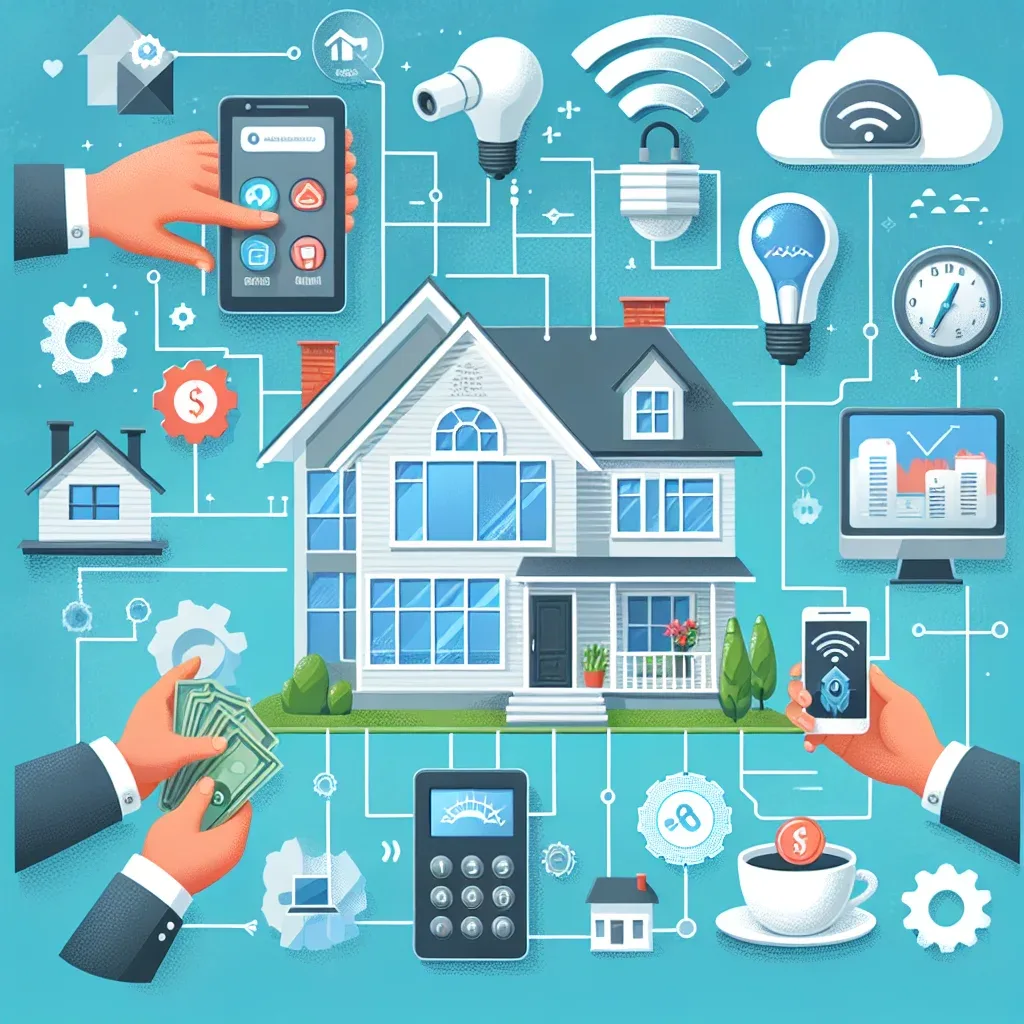
Why Business Smart Home Needs Differ from Residential
Residential Smart Home systems prioritise personal comfort and family safety. Business deployments have different demands: resource management efficiency, energy reporting, and multi-user access control. The systems are related but not interchangeable.
Luxury property developments in Bangkok, Hua Hin, and Khao Yai that HappySmart manages typically require per-unit resident control alongside a building management view that shows overall energy consumption and security status from a central dashboard.
Assess Your Actual Requirements First
Before comparing brands or pricing, answer three core questions.
First: what do you need to control? Common starting points include common-area lighting, security cameras, and keyless access control at entry points.
Second: who operates the system? If staff have varied technical backgrounds, the interface must be intuitive on both iOS and Android without extended training.
Third: how much must the system scale? If you plan to add floors, units, or branches later, Matter 1.4 and Tuya Cloud both support system expansion without replacing core infrastructure.
Protocols and Standards That Matter
For businesses running mixed-brand hardware, choosing the right common protocol is the single most important decision. Matter 1.4, which reached full deployment in Q1 2026, lets Xiaomi, TP-Link, and EZVIZ devices share a single control platform without relying on separate manufacturer apps.
For businesses with legacy devices that predate Matter, Homebridge or Home Assistant can bridge older hardware into the new ecosystem without a full replacement cycle.
Budget and Return on Investment
A business Smart Home deployment does not need to go all-in at once. HappySmart recommends starting with the component that delivers the most measurable return, which is usually energy management, because savings can be quantified month by month.
Projects we have managed in Bangkok show that Smart Energy Management using TP-Link Tapo hardware alongside Home Assistant reduces electricity costs by 18-25% monthly for mid-size commercial buildings, with full system payback within 14-18 months.