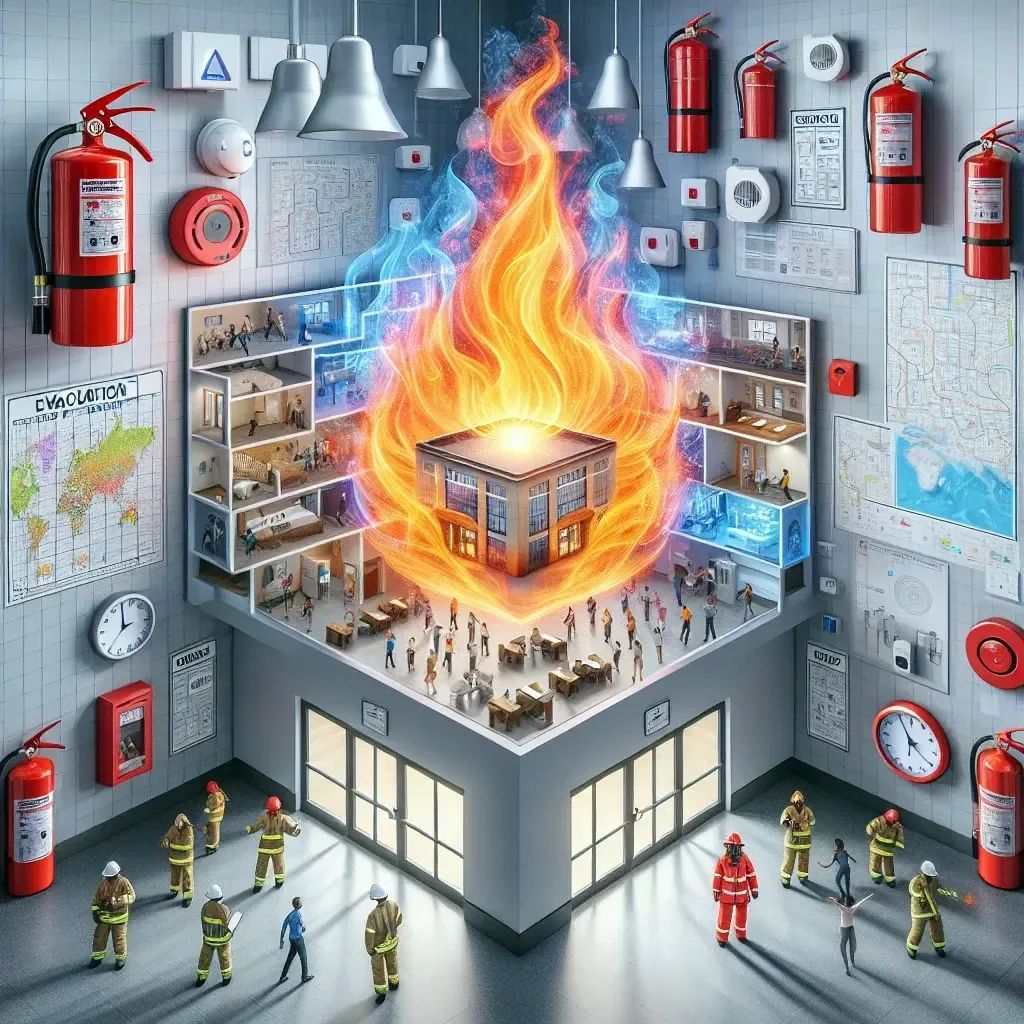
Why Bangkok Homes Need Smart Fire Detection
Residential fires most often start in kitchens and bedrooms, frequently in the early hours when occupants are asleep. A conventional smoke alarm sounds a local siren, nothing more. A sensor paired with HomeKit or Tuya sends an immediate push notification to every family member's phone, simultaneously closing air-conditioning dampers to slow smoke spread and unlocking exit doors.
For Bangkok condominiums and weekend homes in Hua Hin or Khao Yai, where owners are absent for days at a stretch, remote alerting is not optional — it is the core of any serious fire safety plan.
Recommended Detection Hardware
HappySmart specifies three categories of sensor for different project types.
Xiaomi Mi Smart Smoke Alarm connects via Zigbee and integrates with both Mi Home and Home Assistant. Certified to EN 14604, it carries a built-in backup battery that keeps the alarm active during power cuts. Retail price is around ฿890.
Tuya-compatible smoke sensors with Matter 1.4 no longer require a brand-specific hub. Any Matter 1.4 controller — including Apple HomePod mini or a Raspberry Pi 5 running Home Assistant — can commission and control them directly alongside devices from other manufacturers.
EZVIZ Smart Alarm Kit bundles a smoke sensor, gas sensor, and wireless siren in one package. Wiring-free installation suits condominiums and rental properties where cable runs are impractical.
Correct Placement Strategy
Sensor placement determines whether an alarm activates in time. Smoke detectors should be mounted on the ceiling, at least 30 cm from any corner and away from air-supply vents to prevent false triggers caused by air movement.
For multi-storey houses, install a minimum of one detector per floor, with additional units in the kitchen, each bedroom, and main corridors. LPG gas sensors belong low — within 30 cm of the floor — because LPG is denser than air and pools downward. Natural gas sensors, by contrast, mount high on the wall near cooking appliances.
Connecting to Automation
The decisive advantage of a connected fire safety system is coordinated response. A single smoke detection event can trigger a sequence across the entire home.
Common automation responses include: push notifications to all household phones, all lights switching on to illuminate escape routes, smart lock disengagement for immediate exit, a message to a neighbor or building security, and HVAC shutdown to limit smoke circulation.
HappySmart engineers design automation scripts tailored to your floor plan, compatible with HomeKit Automations, Home Assistant scripts, and Tuya Smart Scenes. The goal is a response that happens in under three seconds from detection — before most occupants are fully awake.
Maintenance and Testing
A smoke detector that has never been tested may not work when needed. Test each unit monthly using its built-in test button. Clean sensor chambers every six months with a soft brush to clear accumulated dust that degrades sensitivity. Replace batteries annually or whenever the low-battery warning sounds.
Most photoelectric smoke sensors have a rated service life of 8 to 10 years. After that period, replace them even if they appear functional — detection sensitivity declines with age regardless of outward condition.