Post-Occupancy Evaluation
5 articles on Post-Occupancy Evaluation.
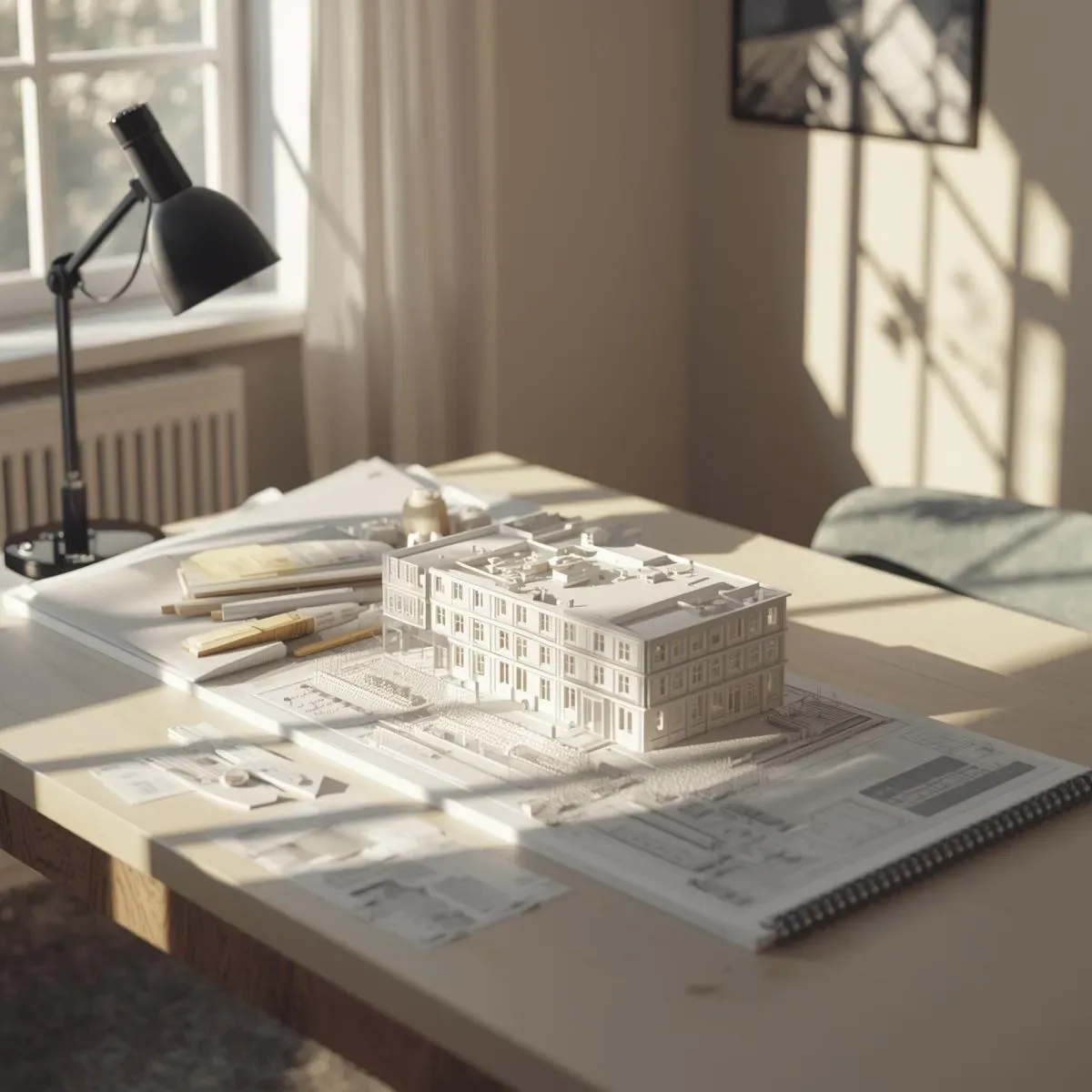
SmartInterior From a Designer’s Perspective: Data-Driven Space Planning and Sensor-Informed Decisions
Modern SmartInterior designers do not rely on intuition alone — they use sensor, occupancy, and behavioral data to validate design decisions, from furniture placement to lighting and temperature system positioning.
read ↗
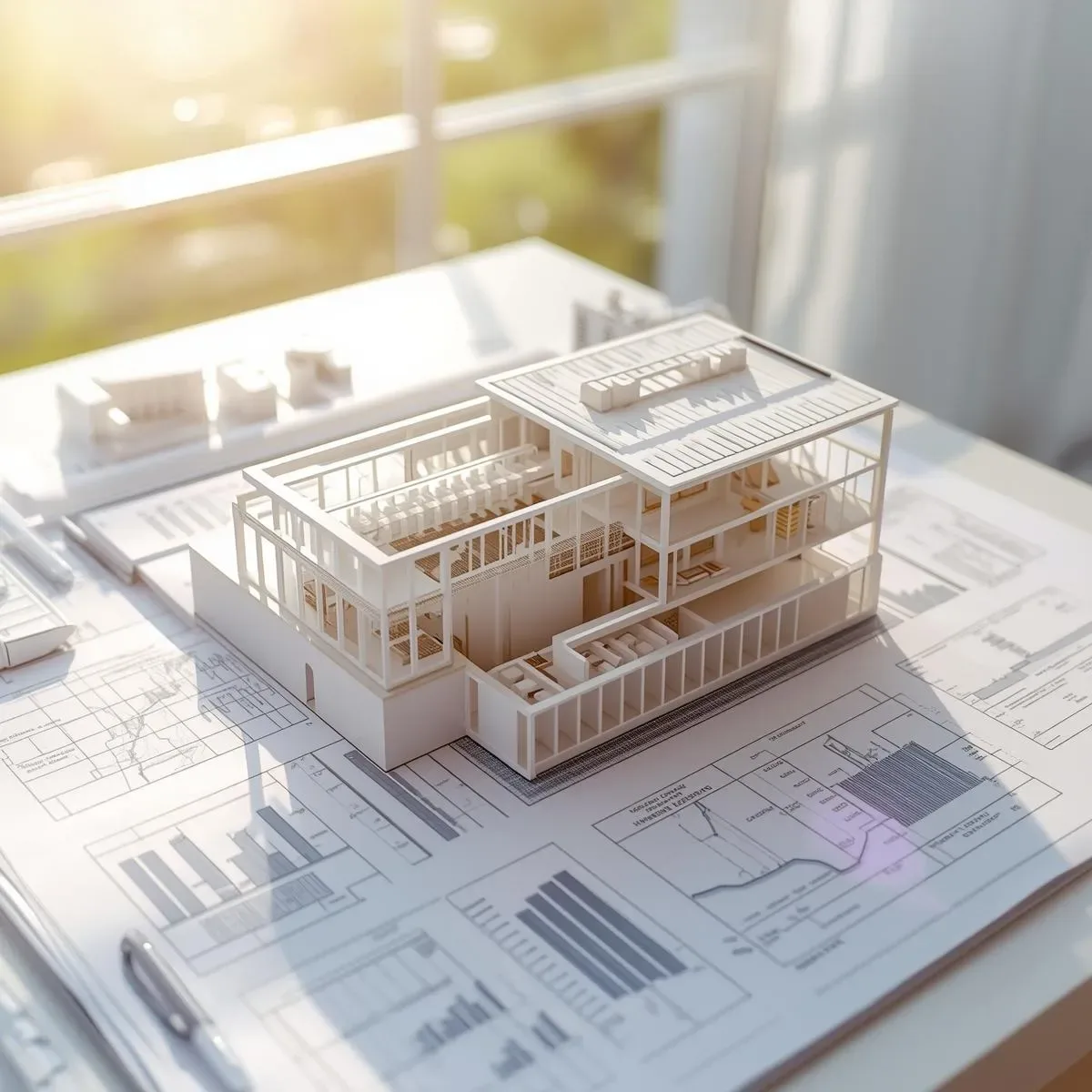
SmartInterior Post-Occupancy Feedback: Using 6–12 Month Living Data to Optimize What the Design Intended
Great SmartInterior does not stop on the day the design is completed — it includes a Post-Occupancy Evaluation process using real data from the first 6–12 months of living, to optimize Smart systems and space use to align more closely with actual life.
read ↗

Data-Driven SmartInterior: Using Sensor and Occupancy Data to Continuously Refine Your Space
IoT systems in SmartInterior do more than control devices — they collect real usage data to continuously improve design. A Data-Driven Approach lets the home learn and evolve according to the actual lives of its occupants, not the assumptions of its designer.
read ↗
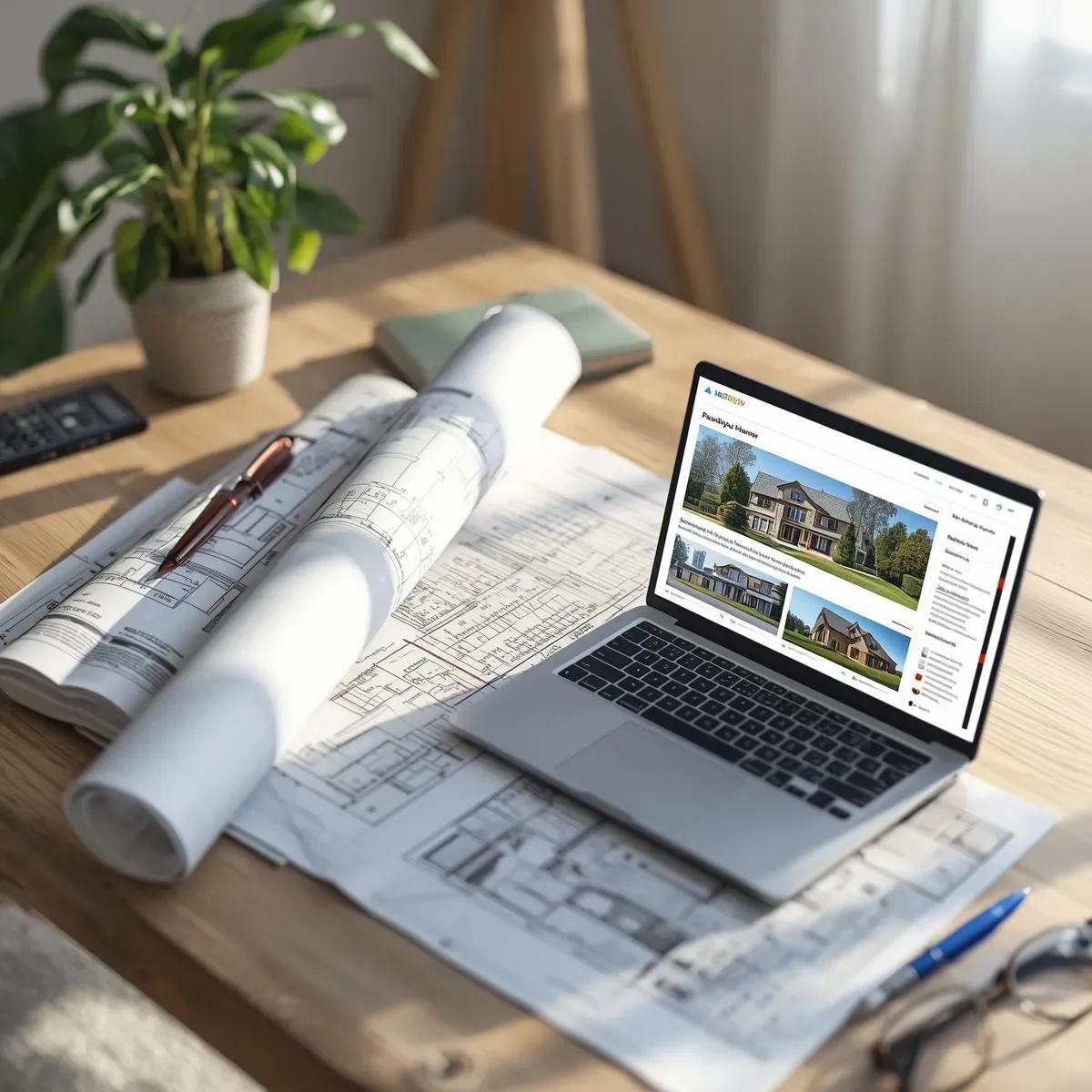
3D Space UX Assessment: Quantifying Spatial Quality Metrics Before Home Design Begins
Modern BIM goes beyond VR visualization — it quantifies spatial quality through measurable metrics including Circulation Efficiency Score, Sightline Quality, Privacy Gradient, and Acoustic Comfort, maximizing the value of every square metre.
read ↗

Activity-Sequence Interior Design: Creating Homes That Flow Naturally Around Real Daily Life
Interior design that begins with real activity-sequence analysis — not just room geometry — creates homes where daily movement flows naturally, walking distances are reduced 20–35%, and long-term occupant satisfaction is measurably higher.
read ↗