From Short-Term Fixes to Sustainable Systems
Many people have tried saving electricity by turning off lights more often or limiting AC use, only to find the following month’s bill is just as high. That’s because it was a short-term fix, not a new behavioral system.
Sustainable energy saving means ’using electricity efficiently,’ not ’using so little it becomes inconvenient.’ It rests on four core principles: use only what’s needed, use correctly, minimize energy waste, and adjust behavior consistently.
Analyze Before Changing
Before adjusting behavior, know where electricity is actually going. Air conditioning accounts for approximately 40–60% of the total electricity bill. The refrigerator running all day accumulates more cost than most people realize. The water heater draws intense power briefly. And standby power from plugged-in devices adds up month after month.
Having real data makes behavioral adjustments more targeted and shows results faster.
Build Lasting Energy-Saving Habits
Keep AC at 25–26°C, use fans to assist, clean the filter every 2–4 weeks — and do these consistently, not just in months when the bill is high. Turn off lights every time you leave a room. Unplug devices before bed. Iron and wash clothes in large batches.
These habits seem small, but done daily, the cumulative impact over a year is significant.
Use Natural Light to Its Full Potential
Good home design significantly reduces artificial lighting consumption. Open curtains to capture natural light from morning to afternoon, arrange furniture to avoid blocking light, use light wall colors to reflect it, and replace every old bulb with LED.
Technology Makes Sustainability Easier
What makes sustainable energy saving difficult is that it depends on human consistency — and there are days when we forget or it isn’t convenient. Technology solves this: Smart Plugs automatically cut standby power, mmWave sensors turn off lights when rooms are empty, Automation rules shut everything off when you leave home, and real-time usage data in the app helps you identify and adjust specific behaviors.
The Future of Energy-Efficient Homes
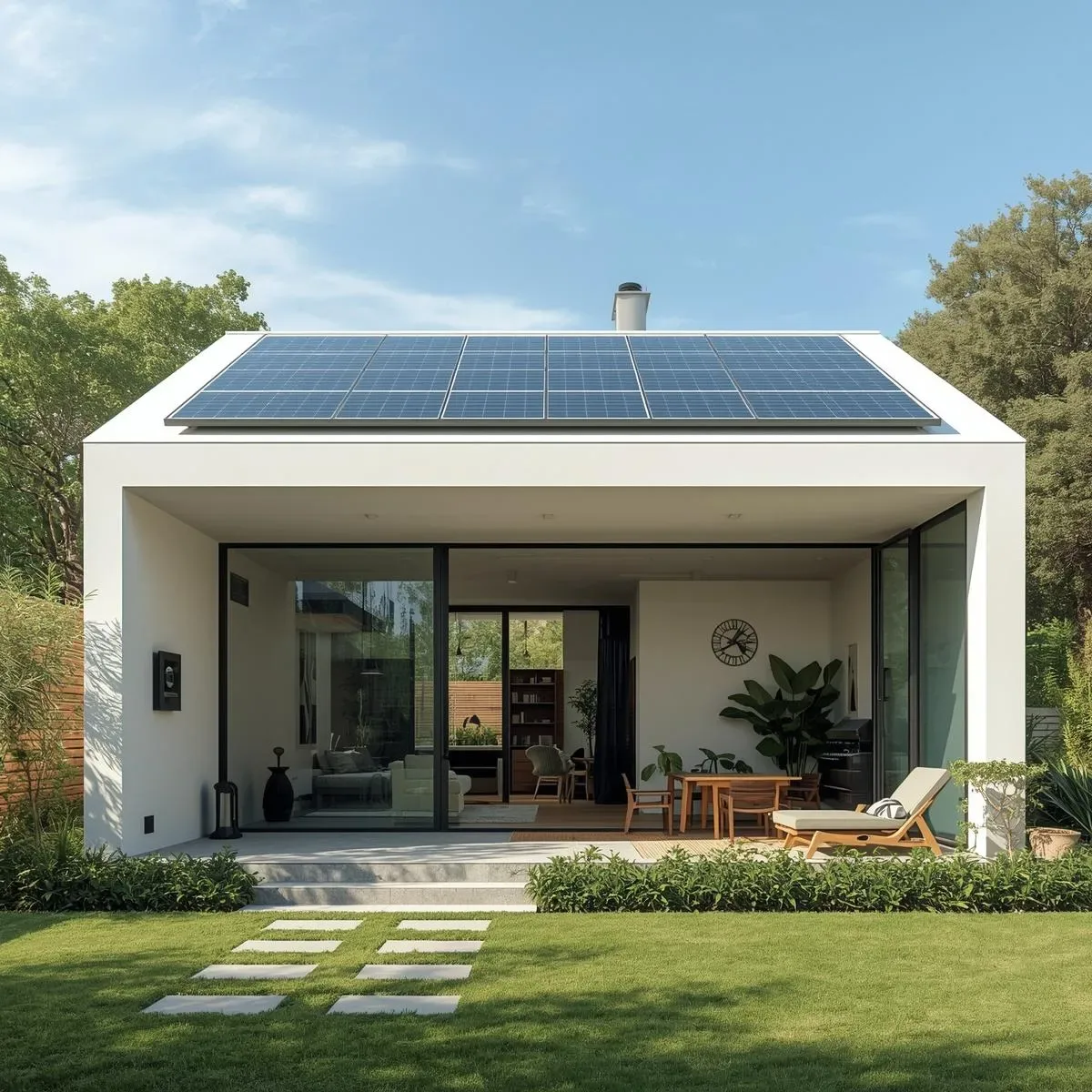
The clear trend is that AI will analyze electricity usage patterns and optimize systems automatically. Homes will connect to solar panels and battery storage, and Smart Grid integration will automatically shift consumption to the lowest-cost periods.
HappySmart helps your home prepare for this future starting today. Consult for free via LINE OA.