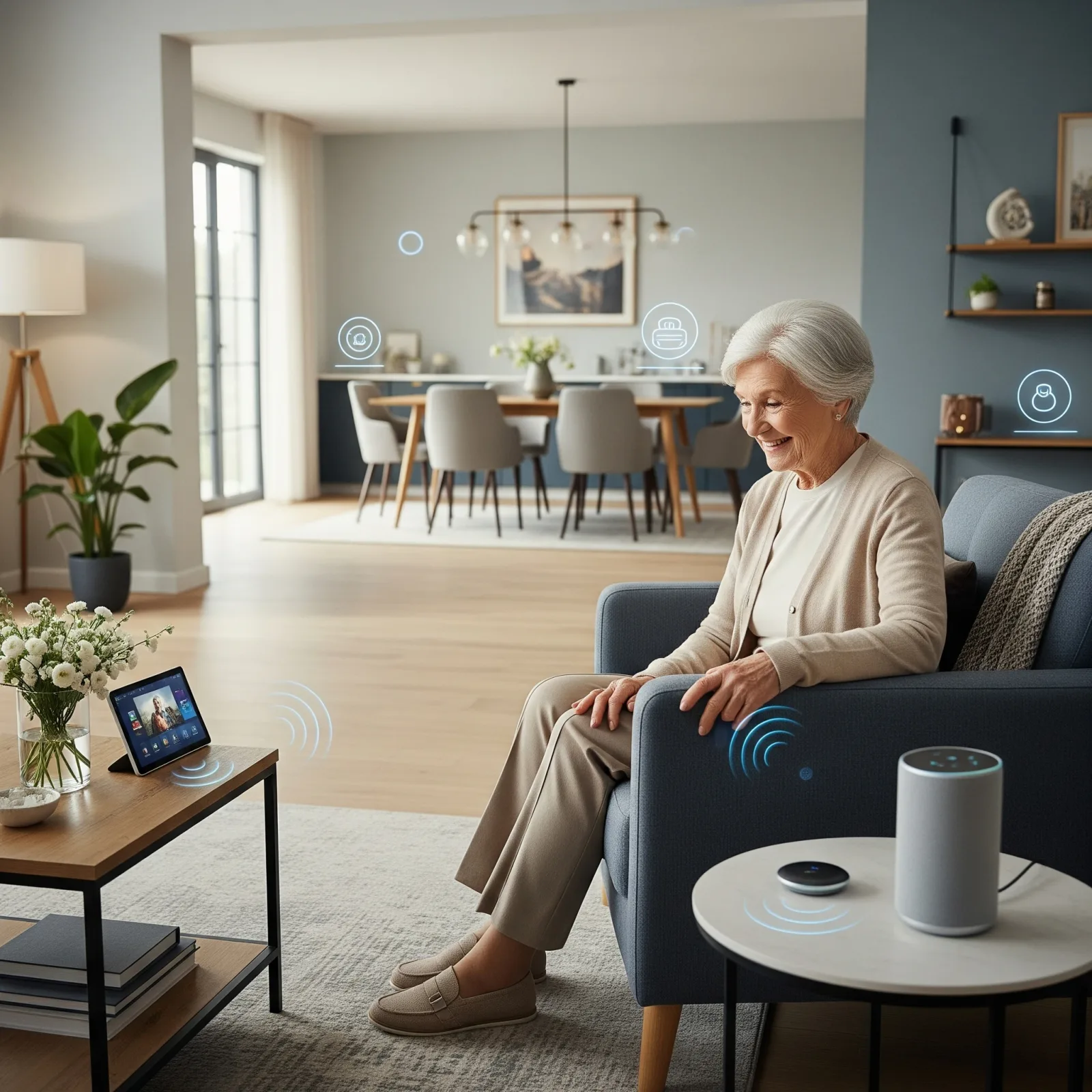
Why Assessment Before Investment Matters
Many families begin an elderly Smart Home project with good intentions but end up with results that disappoint. The common reason is buying devices based on what looked compelling in advertising rather than what the specific elderly person in that specific home actually needs. Some homes end up with multiple security cameras but no fall detection in the bathroom — the highest-risk room. Others invest in premium devices only to find the Wi-Fi signal does not reach the upstairs bedroom where the elderly resident sleeps.
A structured assessment before any purchase turns every baht spent into a result that matters.
Pre-Investment Checklist for an Elderly Smart Home Project
Assess the elderly person's real needs. What chronic conditions do they have? Can they walk independently or do they use a mobility aid? Are there sleep difficulties? Do they live alone or with a carer? These answers determine which sensor types are needed and where they should be placed.
Identify risk zones in the home. Walk through the house and map it out. The bathroom, corridors, staircases, and poorly lit areas are the primary risk zones. Which of these is the elderly resident using frequently with no safety measures currently in place?
Choose the right fall detection technology. mmWave sensors are appropriate for private spaces like bathrooms and bedrooms because they do not record video. AI cameras work well in common areas where video recording is acceptable. Some homes need both.
Understand the ecosystem you are committing to. Apple's HomeKit works smoothly within iOS but has device limitations. Matter 1.4 is an open standard that allows cross-brand interoperability. Mi Home offers a wide range of affordable devices. Tuya supports the broadest range of third-party hardware. Choosing the right ecosystem from the start avoids expensive switching costs later.
Plan the budget in phases. HappySmart's entry-level sensors start at ฿1,599. A complete elderly home system typically ranges from ฿15,000 to ฿80,000 depending on home size and device count. A phased approach spreads the investment over time without sacrificing the most critical safety elements first.
Check Wi-Fi coverage throughout the home. Smart Home devices run on Wi-Fi. A device outside signal range simply will not work. Test signal strength in every room before purchasing anything, and plan for a mesh network or extenders if gaps exist.
Phased Installation: No Need to Invest Everything at Once
HappySmart recommends phased installation for families managing a budget.
Phase one: fall sensors in the bathroom and bedroom, SOS buttons, and automatic lighting along corridors. This is the minimum viable safety system that addresses the highest risks at the lowest cost.
Phase two: AI cameras in common areas, air quality sensors, and a smart air purifier.
Phase three: integration of all devices into Home Assistant for centralised control and monitoring, plus custom automation rules tuned to the resident's actual daily patterns.
HappySmart's Free Consultation
HappySmart offers a no-cost consultation where specialists assess your needs, recommend appropriate devices, and provide transparent investment information — before you make any commitment.