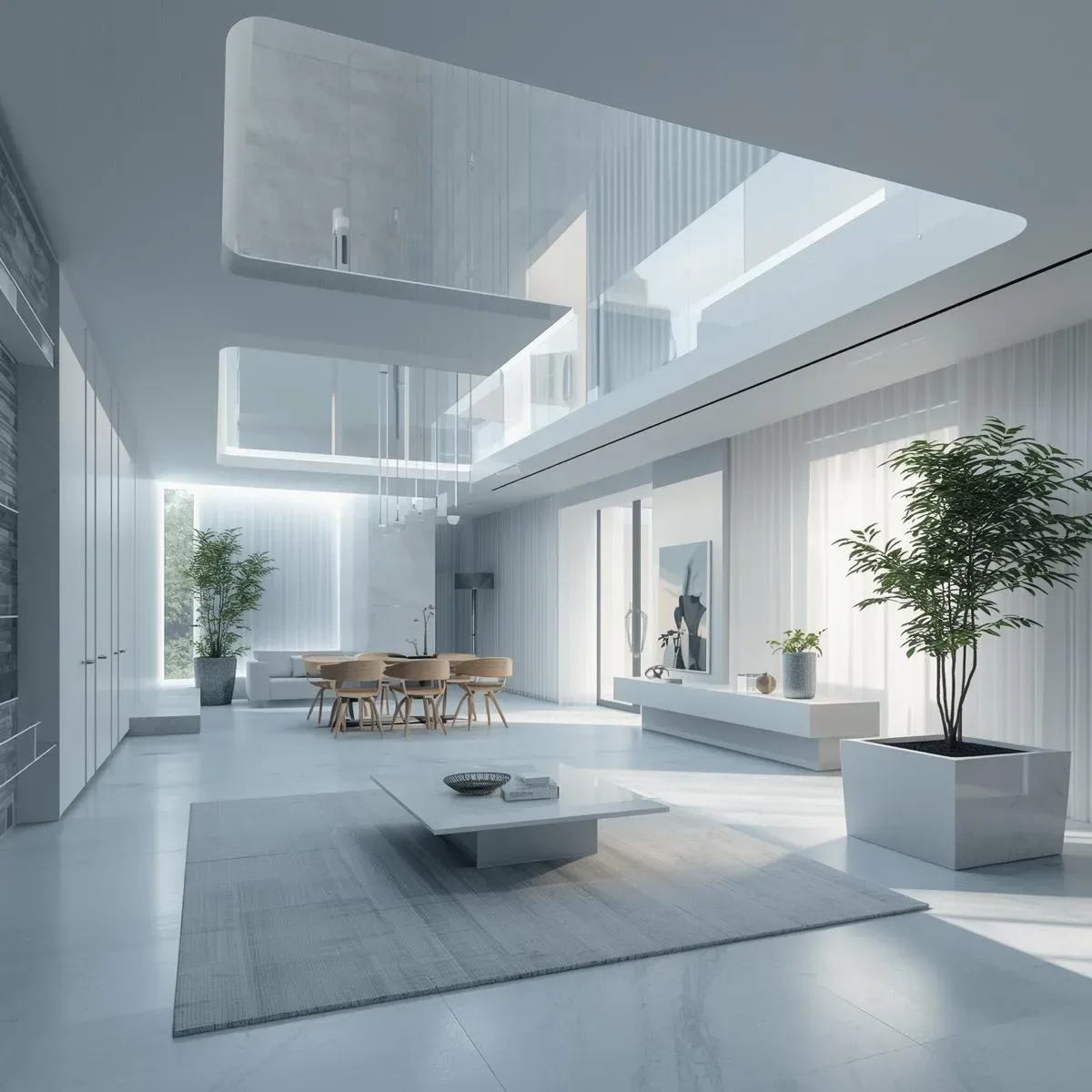
The most frequent question about sustainable SmartInterior is whether it pays back. The answer requires a ROI framework that extends beyond electricity savings alone, because genuine value arrives across multiple dimensions: energy cost reduction, property valuation premium, carbon cost reduction, and ESG financing access.
Energy Savings: A fully specified 250 m² SmartInterior home incorporating insulation, Low-E glazing, high-COP HVAC, 10 kWp solar PV, 10 kWh battery storage, DALI lighting control, and smart HVAC scheduling uses 55–65% less net energy than a conventionally built home of equal size. At THB 4–5 per kWh, this represents THB 40,000–60,000 in annual savings. Over 20 years, the Net Present Value at a 5% discount rate is THB 800,000–1,200,000—before considering any other value stream.
Property Valuation Premium: CBRE Thailand research (2023) indicates Green Building certification adds 5–15% to sale price in the Bangkok market. Thailand’s Rating of Energy and Environmental Sustainability (TREES), administered by the Thai Institute for Integrated Environmental Study, evaluates across eight categories: energy management, water management, materials, IEQ, innovation, site sustainability, waste, and construction management. TREES Certified properties at the base level demonstrate 5–8% sale price premiums in controlled comparisons.
Carbon Accounting: Thailand’s NDC targets 30% GHG reduction by 2030. The voluntary carbon market is developing—homes generating measurable and verified carbon reductions through solar PV, smart energy management, and green materials may access VERRA or Gold Standard Carbon Credit programs. Current voluntary carbon credit prices of THB 500–2,000 per tCO2 provide an additional revenue stream for certified low-carbon residences, though market liquidity is still developing.
ESG Financing Access: Green Building certified projects access Green Bonds and ESG investment funds at 0.5–1.5% lower interest rates than conventional financing. Multiple Thai banks offer Green Mortgage programs with preferential terms for TREES-certified or equivalent homes, reducing financing costs across the construction loan and any refinancing events. A complete ROI framework incorporating all four dimensions—energy savings, valuation premium, carbon credits, and financing cost reduction—demonstrates unambiguously that sustainable SmartInterior is not a cost center but the highest-return investment decision in residential real estate.