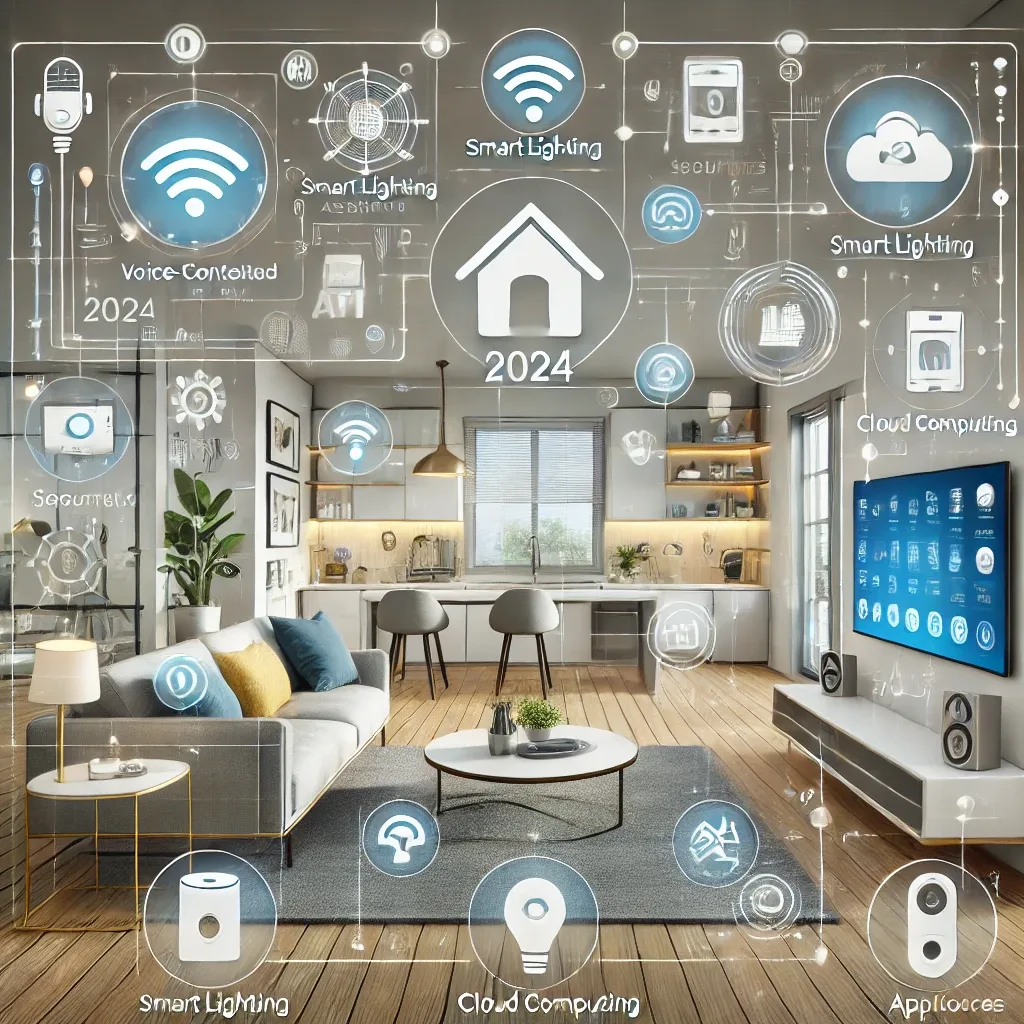
IoT Rapid Growth: HA, Homebridge, and Raspberry Pi 5
2024 has seen explosive growth in Smart Home systems built on Home Assistant (HA) and Homebridge running on Raspberry Pi 5, which delivers significantly higher performance than its predecessor. HA now supports over 3,000 integrations, enabling seamless connection of devices from diverse brands — Google Home, Apple HomeKit, Amazon Alexa, and budget Zigbee/Z-Wave devices from manufacturers popular in the Thai market — all unified through a single, locally controlled interface.
Smarter AI-Powered Voice Control
Deeper AI integration with Google Assistant, Amazon Alexa, and Apple Siri has made Smart Home systems genuinely capable of learning user behavior patterns. Systems now predict needs — pre-cooling the home and adjusting lighting before the owner arrives based on daily routines, or automatically optimizing settings based on current activities. HappySmart's Scrypt scripting engine enables these complex, adaptive automations with the flexibility to handle even unconventional use cases.
Next-Generation Security Intelligence
AI-powered cameras using Frigate NVR's object detection integrated with Home Assistant have become the new security standard, reducing false alarms by 90% and distinguishing between familiar faces and strangers. Combined with Smart Locks and Scrypt-powered security automations — such as locking all doors when leaving or notifying parents when children arrive home — the security layer in 2024 is dramatically more intelligent than previous generations.
Energy Management and Sustainability
2024 Smart Home systems take energy management seriously. Smart AC that adjusts based on room occupancy and outdoor conditions, air purifiers that activate only when PM2.5 readings demand it, and solar panel integration for automated electricity management collectively reduce energy bills by 25-40% while supporting meaningful sustainability goals — an increasingly important consideration for both environmental and economic reasons.
Home Health Systems and B2B Market Expansion
IoT health monitoring has emerged as a major trend — from air quality surveillance and elderly care via motion pattern sensors to vital sign measurement. This expansion runs parallel to growing B2B adoption in office buildings, hotels, and large residential developments. HappySmart serves both B2C and B2B markets with customizable solutions tailored to each project's specific operational requirements.