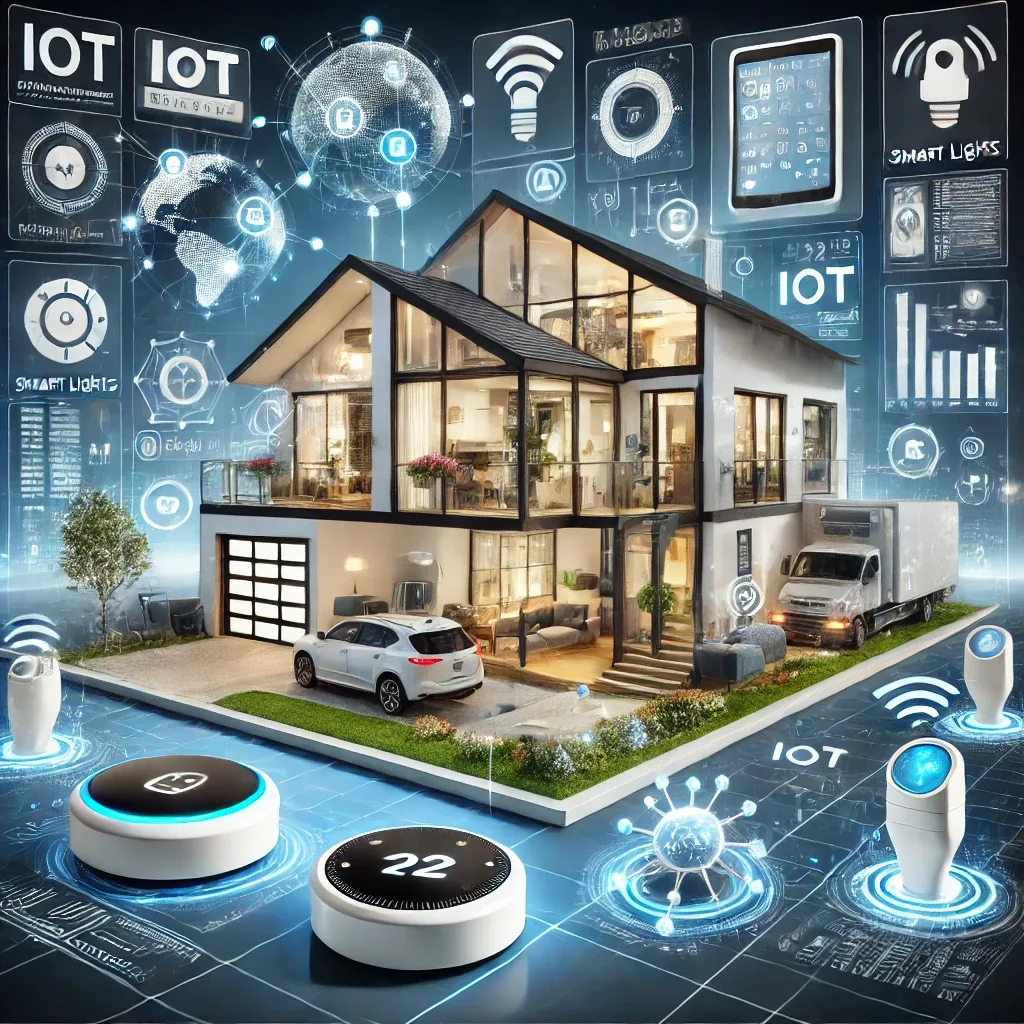
Global Smart Home Market 2025: The Numbers
The global Smart Home market in 2025 is projected to exceed $200 billion with CAGR of approximately 12-15% annually worldwide and reaching 25% in Asia-Pacific — the world's fastest-growing region.
Four primary growth drivers: demand for smartphone-based home management convenience, energy savings from smart lighting and Smart Thermostats, security from CCTV cameras and Smart Locks, and government support across multiple countries promoting smart city initiatives.
AI in Smart Home: Learning and Adapting to Your Life
The most impactful innovation in 2025 is AI integration into Smart Homes. Google Nest Learning Thermostat learns resident behavior within one week and adjusts temperature automatically. Home Assistant in 2025 added AI Automation Suggestions that analyze usage logs and recommend new automations matching your lifestyle.
AI systems also enable predictive maintenance: alerting before devices fail, analyzing energy anomalies indicating malfunctioning equipment, and optimizing energy usage based on occupancy patterns.
Smart Energy: Solar + Battery + Grid Working Together
Smart Energy in 2025 is no longer just rooftop solar panels — it is an ecosystem of Solar PV, Battery Storage, EV Charger and Smart Grid Management working in concert.
The system automatically optimizes: charging EVs when solar output exceeds household demand, selling surplus back to grid at peak rates, using Battery Backup when grid rates peak. Fully equipped homes achieve 40-60% electricity cost reduction.
Matter Protocol: The New Standard Unifying All Ecosystems
Matter Protocol (launched 2022, continuously expanding specifications) is the Smart Home industry's game changer — unifying Apple HomeKit, Google Home, Amazon Alexa and Samsung SmartThings on a single protocol.
Matter-compatible devices work across all platforms without separate bridges, reducing vendor lock-in and expanding consumer choice. By 2025, Matter-compatible devices are expected to account for over 60% of the smart bulb, plug and sensor market.
AR/VR in Smart Home Design and Learning
AR technology is being deployed by retailers like IKEA Place for pre-purchase furniture placement visualization. Some Smart Home manufacturers offer AR installation guides overlaying step-by-step instructions onto physical equipment, reducing installation time by up to 50%.
Consumer Behavior: Safety First, Price Matters
Global consumer surveys 2024-2025 found 70% citing security as the primary Smart Home purchase reason, 55% wanting cross-platform compatibility, 45% prioritizing privacy and local processing over cloud transmission, and 35% considering energy savings. HappySmart delivers solutions addressing all these priorities.