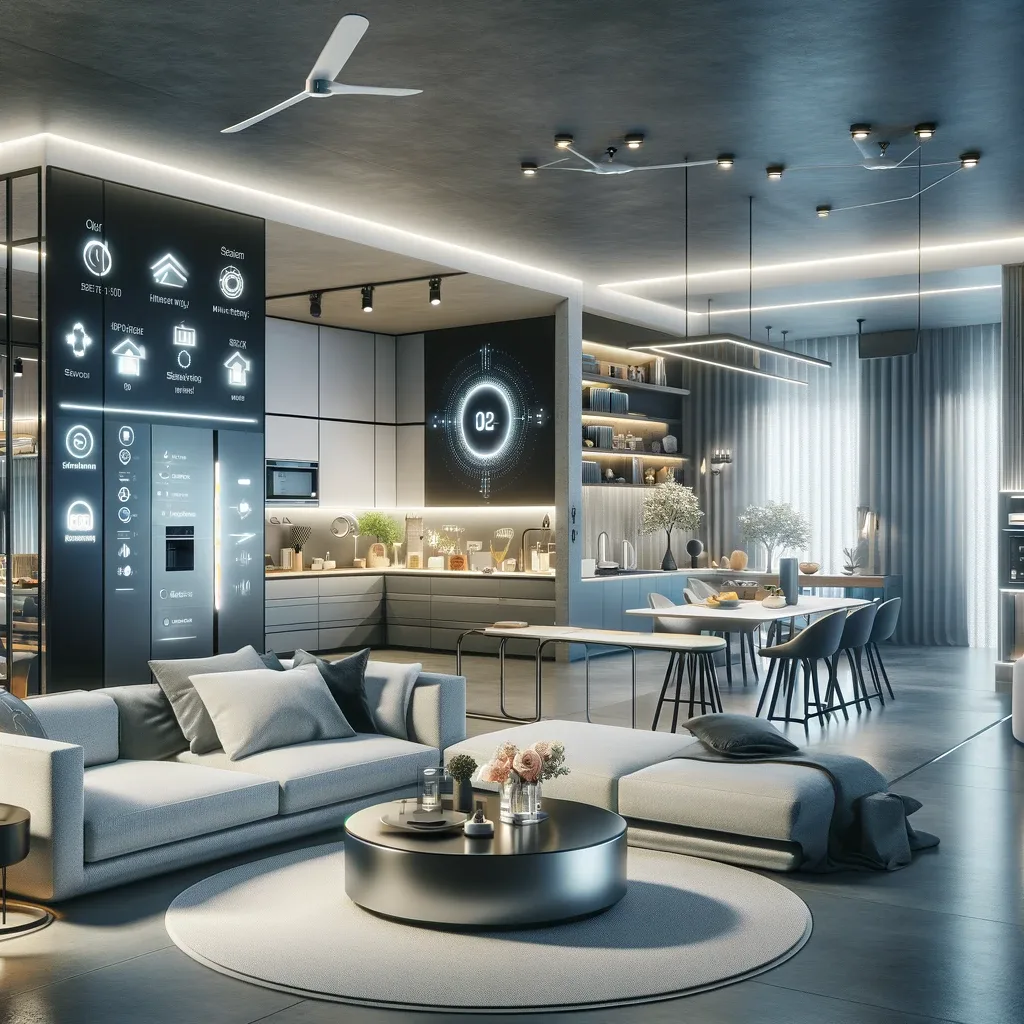
Why Smart Home Design Should Begin at the Blueprint Stage
A well-designed home is measured by the quality of daily life it creates, not only by floor area or material cost. Integrating smart home infrastructure at the design phase lets electricians route cables cleanly inside walls, eliminating the need for surface conduits or post-construction hacking. The result is a home that looks as refined as it functions.
In 2026, Matter 1.4 enables devices from Xiaomi, TP-Link, Tuya, and dozens of other brands to communicate over a single protocol. Whether a homeowner prefers Apple HomeKit or Mi Home, both ecosystems can manage the same physical devices — no duplicate apps required.
Remote Control From Anywhere in the World
The core promise of a smart home is real-time control regardless of location. Sitting at an office on Silom Road or boarding a flight in Tokyo, opening HomeKit or Mi Home on a smartphone lets you turn off an air conditioner left running, check the EZVIZ camera at the front gate, or dim the bedroom lights before you arrive home.
Automation scenes reduce daily decision fatigue. A simple rule can lower bedroom lighting at 10 p.m., lock the front door when the last resident leaves, and cut standby power to entertainment equipment overnight. These routines run silently in the background once configured.
For Bangkok households with multiple residents, HomeKit's family-sharing feature grants individual access without requiring a shared Apple ID, keeping each person's usage private.
Lighting and Climate Tuned to Thailand's Conditions
Bangkok's heat and humidity call for a different design philosophy than temperate climates. A well-configured smart home reads temperature and humidity from room sensors and adjusts the air conditioner automatically — dropping setpoints when occupancy is detected, relaxing them when rooms are empty, and cutting the unit entirely during unoccupied hours.
Matter-compatible smart bulbs adjust colour temperature from warm white for evening relaxation to cool white for daytime focus. Linking bulb scenes to time-of-day automations reduces eye strain and supports better sleep — a tangible health benefit that goes beyond convenience.
Security That Does Not Compromise Aesthetics
EZVIZ 4K cameras with night vision and push-notification motion alerts integrate cleanly into a designed home when cable routing is planned from the start. No visible conduit, no surface-mounted junction boxes.
TP-Link Tapo smart locks with Matter support allow NFC card, PIN, or smartphone entry. Every unlock event generates a timestamped notification and adds to an access log — useful for households with regular domestic staff or delivery access.
You Do Not Need a New Home to Start
A common misconception is that smart home systems require new construction. HappySmart designs retrofit packages for existing homes that require no wall demolition. Entry-level packages start at ฿1,599, covering smart switches, bulbs, and plugs compatible with HomeKit and Tuya.
The team assesses each home and recommends an installation sequence prioritised by impact and budget — no pressure to purchase everything at once.