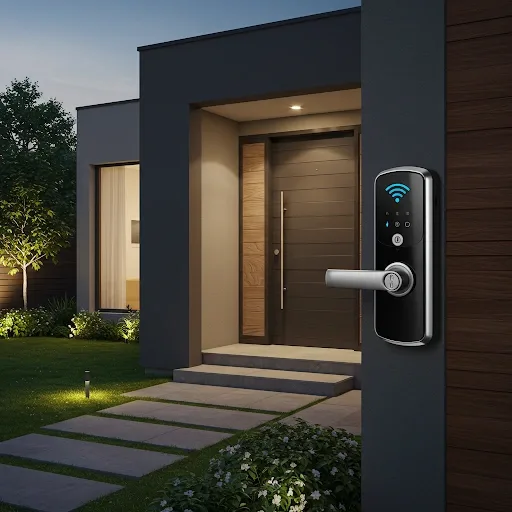
Pros and Cons of Smart Locks
Smart Locks offer several clear advantages. Convenience comes from eliminating the need to carry a key by using PIN codes, fingerprints, or app-based unlocking. Security is stronger with multi-layer locking and instant tamper alerts. Access control is more granular with temporary codes that expire on schedule. Entry logging records who entered and when. And full Smart Home integration connects the lock to cameras, sensors, and other devices.
However, Smart Locks have trade-offs that must be accepted. The purchase price is higher than traditional locks. They depend on battery or electrical power. And there is a risk of software or electrical failure, though most quality models include a mechanical key backup.
Traditional locks are inexpensive, durable, and easy to install as a DIY project. The drawbacks are lower security, easier forced entry, the need to carry a physical key, and no sophisticated access control.
Standout Smart Lock Features in 2025
Smart Locks in 2025 arrive with several compelling capabilities. App-based unlocking works on both iOS and Android. AI Face Recognition identifies residents with high accuracy. OTP codes for guests or delivery personnel are single-use or time-limited. Instant tamper alerts are pushed to the homeowner's phone. And full compatibility with CCTV cameras and motion sensors creates a complete security ecosystem.
How to Choose the Right Smart Lock for Your Home
Lock type matters significantly. A Deadbolt is ideal for the main entrance where maximum security is required. A Lever Handle suits interior room doors. A Rim Lock works well for homes that need a lock replacement without drilling new holes.
Verify compatibility with your actual door in terms of size, material, and existing knob type. Choose features based on genuine needs such as app control, Face Recognition, or Wi-Fi for remote access. Consider the power system, whether battery or hardwired, and confirm that a backup mechanism exists for when power is unavailable.
Installation: DIY versus Professional
DIY installation is appropriate if you are confident in your technical skills. Read the manual thoroughly before starting, prepare all required tools in advance, and verify door compatibility before purchasing. Hiring a professional offers greater peace of mind. Confirm the installer has direct Smart Lock experience and holds credible certifications.
Correct Maintenance for Long Service Life
Check and replace batteries on a regular schedule, using quality cells and replacing them immediately when a low-battery alert appears. Clean with a dry cloth and avoid harsh chemicals. Periodically test all access methods including PIN, fingerprint, and app to ensure they function correctly. Verify the alert system is active and responding. And despite any IP rating, avoid prolonged moisture exposure to protect the electronic components.
Smart Home Platform Integration
Home Assistant supports automation configuration and integration with sensors and cameras. HomeBridge connects non-HomeKit devices so they can be controlled via Siri. Google Home and Alexa provide voice command support for compatible Smart Lock models.