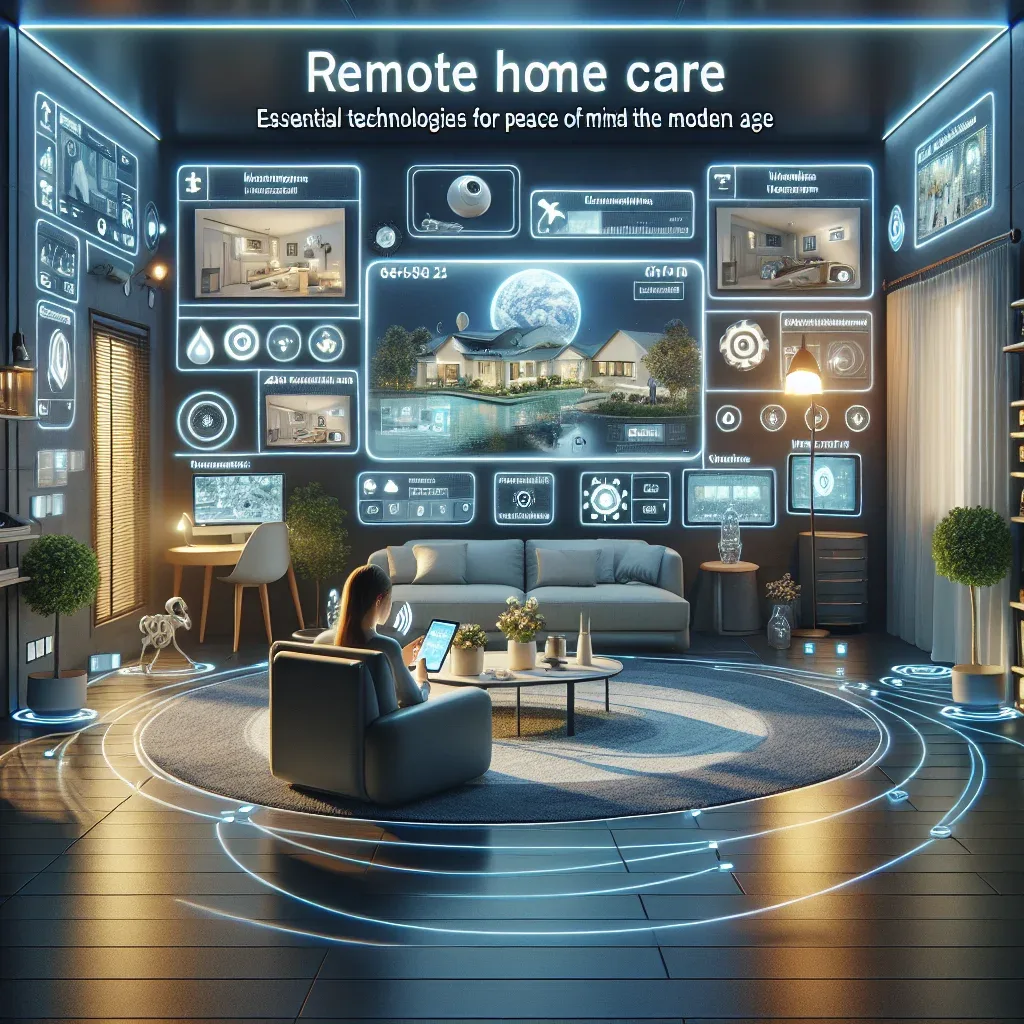
Why Remote Home Monitoring Has Become Essential
Modern life makes continuous presence at home impossible. Bangkok working professionals leave before dawn and return after dark. Families with weekend homes in Hua Hin or Khao Yai may not visit for months. Elderly relatives living alone need monitoring that family members cannot provide in person around the clock.
Remote home monitoring systems in 2026 address all of these situations through a single smartphone.
Core Technologies for Remote Home Management
IP cameras with remote viewing EZVIZ and TP-Link Tapo provide 2K resolution with night vision and two-way audio. Live and recorded footage is accessible from anywhere through the app. Models supporting HomeKit Secure Video encrypt footage end-to-end to iCloud, ensuring maximum privacy.
Smart locks with remote control Digital locks allow remote locking and unlocking from anywhere, with temporary PIN codes issued for contractors or housekeepers during owner absence. Every access event is timestamped and logged in the app.
Motion sensors PIR and mmWave sensors alert on movement in defined zones. For an empty vacation home, any motion detection is an immediate alert. For elderly monitoring, mmWave sensors can detect breathing in a stationary person lying down — without any wearable device.
Smart plugs for remote appliance control Switch any appliance on or off remotely. Switch off something left on by accident, or activate lights on a schedule to simulate occupancy during extended absence.
Securing Remote Access
Remote home access requires appropriate security measures.
Home Assistant Cloud (Nabu Casa) at $6.50 per month provides secure remote access without complex network configuration. Ideal for users who do not want to manage network infrastructure.
VPN Setting up WireGuard or OpenVPN on a compatible router provides maximum security without ongoing subscription costs. Suitable for users comfortable managing network settings.
For brand-cloud cameras and smart locks, remote access works through the native app. Enable two-factor authentication on every account to prevent unauthorised access.
Elder Care Monitoring from a Distance
For families with elderly relatives living alone, remote monitoring technology provides meaningful peace of mind. Motion sensors in the bedroom, bathroom, and kitchen establish a normal activity pattern. Significant deviation from that pattern — no movement in the kitchen by 9 am for someone who always rises early — triggers a notification to family members.
New mmWave sensors can detect falls automatically and send emergency alerts without requiring the elderly person to press any button. This capability matters most precisely when a person cannot press a button.