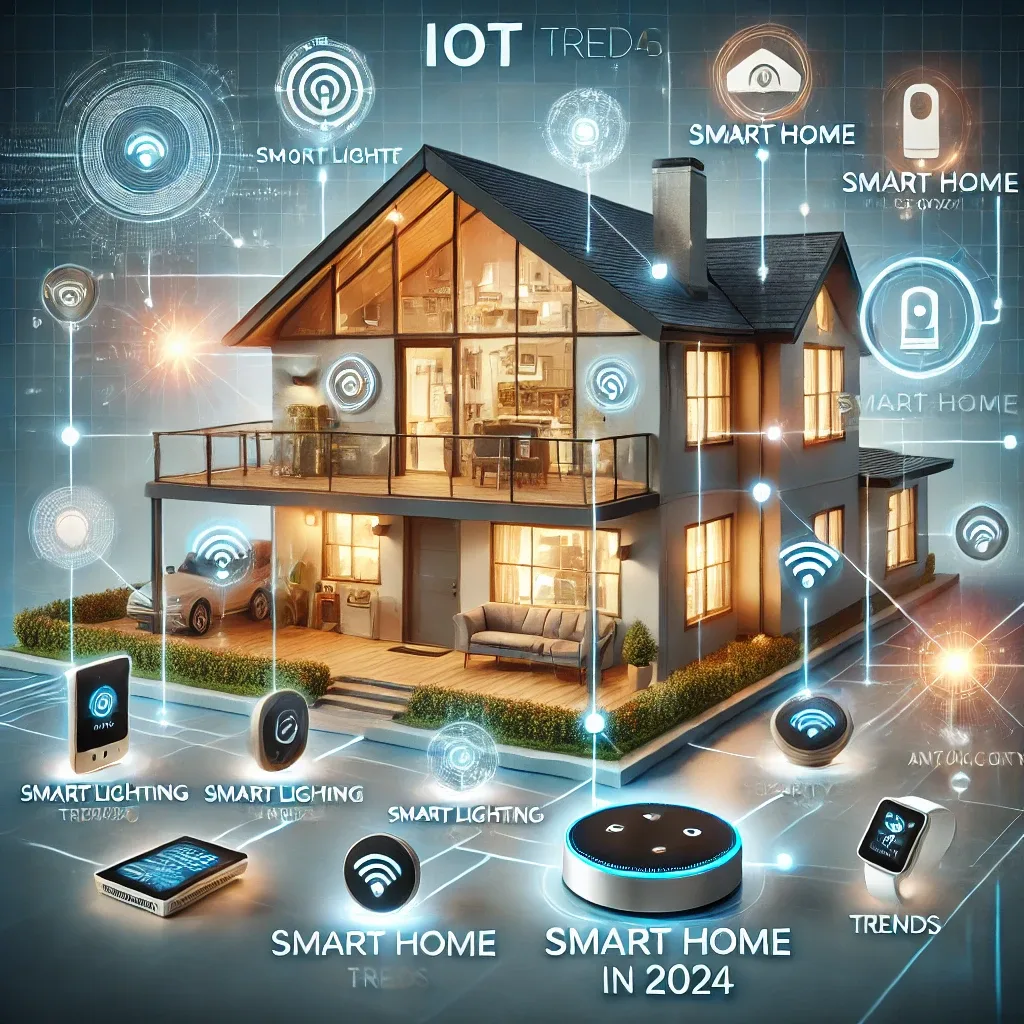
Smart Homes Become More Accessible Than Ever
In 2026, smart homes are no longer a luxury. The Matter protocol, supported by Apple, Google, Amazon, and Samsung, allows IoT devices from different brands to connect directly without relying on individual brand cloud services. Smart Home device prices continue falling — smart bulbs now start below THB 300 — making smart home adoption genuinely accessible for all Thai households.
AI and IoT Fully Integrated
The fusion of AI and IoT in 2026 has dramatically elevated home intelligence. Frigate NVR uses AI Object Detection to accurately distinguish people, animals, vehicles, and packages — reducing false alerts by over 90%. Home Assistant AI Assist enables Automation creation using natural language commands. Devices that learn user behavior now pre-adjust temperature and lighting before users even issue commands, creating homes that genuinely learn and respond.
Intelligent Energy Management Systems
Energy Management is among the fastest-growing IoT trends in 2026. Home Assistant's Energy Dashboard shows per-device energy consumption in real time, helping identify Energy Vampires drawing unnecessary power. Homes with solar installations use Home Assistant to optimize Battery Storage charging and integrate with EV Chargers to charge vehicles during low-tariff electricity periods. All of this runs automatically without manual intervention.
Smart Healthcare at Home
Home health monitoring has become a core IoT function in 2026. mmWave Radar sensors detect falls among elderly residents without cameras, fully preserving privacy. PM2.5, CO2, and VOC sensors monitor air quality and automatically activate air purifiers. Smart Wearables integrated with Home Assistant feed health data to a central Dashboard, enabling families to remotely monitor elderly relatives' wellbeing in real time.
Data Security and Privacy
With Home Assistant processing everything locally, home data is not sent externally by default. The 2026 trend emphasizes End-to-End Encryption for IoT device communication, VLAN segmentation to isolate IoT networks from the primary network to contain potential breaches, and automatic software updates for all IoT devices to close security vulnerabilities as they are discovered.