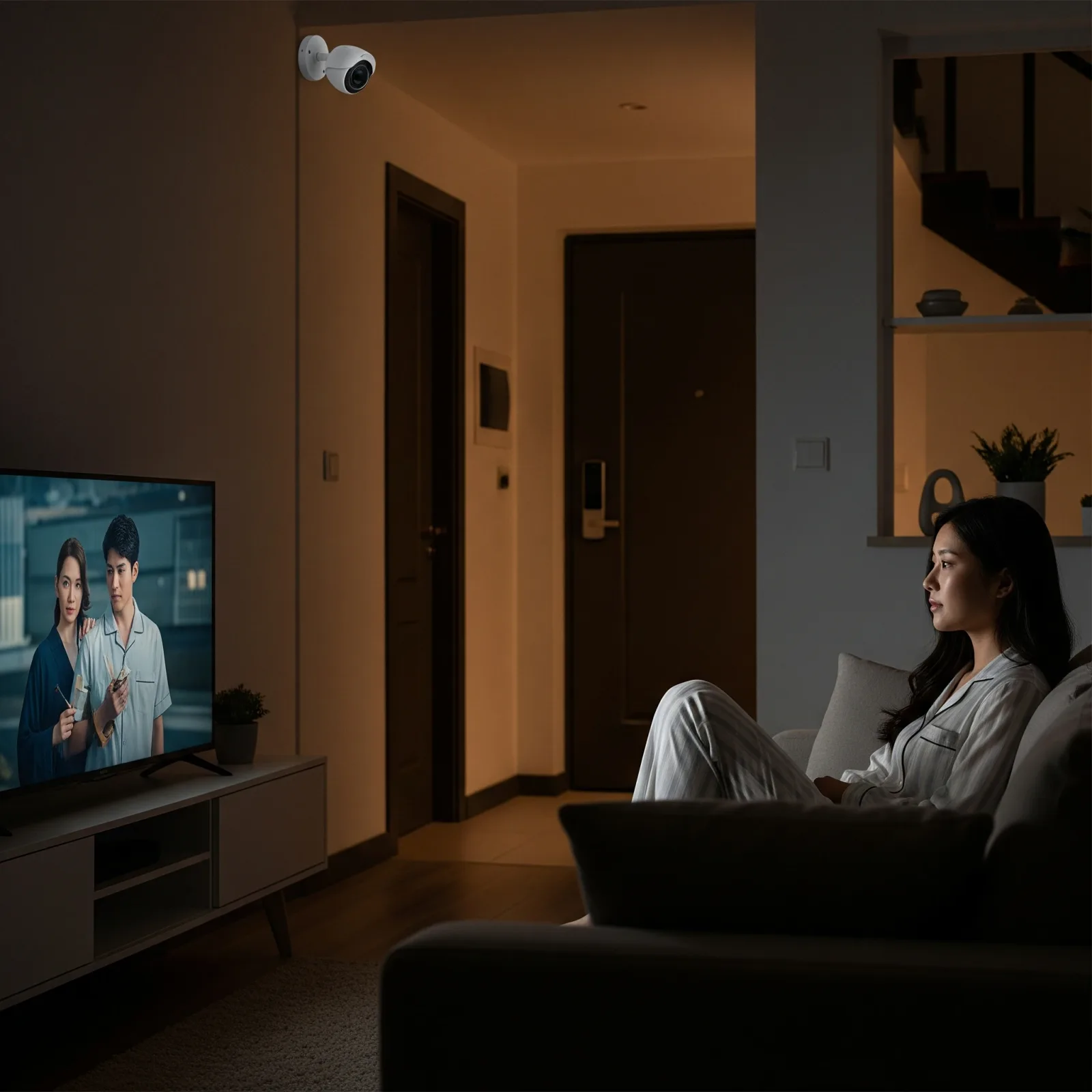
Why Home Alarm Systems Matter for Single Occupants
As single-occupant living becomes increasingly common — among working-age people who relocate to major cities and elderly residents whose children have established their own households — a reliable home alarm system is not a luxury but a necessity that enables confident independent living. A good system acts as a tireless guardian, monitoring and alerting on every type of abnormal event.
Risks Single Occupants Face
Key risks for single occupants include in-home accidents with no one to help — a bathroom fall or kitchen slip — burglary or forced entry with no witness, forgetting to turn off a gas stove or appliance that could cause an emergency, and for elderly people living alone, sudden health events with no one present to respond. A comprehensive home alarm system addresses all of these simultaneously.
mmWave Sensor: Detection That Respects Privacy
For people living alone, privacy is paramount. mmWave sensors detect movement and breathing without recording any images or audio — ideal for bathrooms and bedrooms requiring maximum privacy. When a fall or abnormality is detected, the system immediately notifies a pre-assigned guardian's smartphone.
For single occupants with no in-home caregiver, the system can be configured to alert relatives or close friends outside the home, ensuring someone is informed when an emergency occurs.
AI Camera: Intelligent Movement Detection
AI cameras installed in home common areas such as the living room or hallway can distinguish between people, pets, and object movement, significantly reducing false alerts. The system also detects external intrusions and delivers real-time images to smartphones instantly.
Door and Window Sensors: Preventing Intrusion and Monitoring Every Opening
Zigbee door and window sensors connected to Home Assistant monitor every open and close event. They can be configured to alert immediately when a door or window opens at inappropriate times — such as late at night or when the resident is not home — verify that the front door is locked before bed, and deliver a daily status summary each morning.
Home Assistant Unifies Every Device Into One System
The true power of a home alarm system lies in connecting every device within Home Assistant on Raspberry Pi 5. When an abnormal event occurs, multiple devices respond in coordination: cameras record, audible alarms sound, home lights flash, and the guardian's smartphone receives a Push Notification simultaneously — enabling the fastest and most effective emergency response.
Real Case: Khun Somsak's Confident Solo Living
Khun Somsak, age 68, lives alone after his son established his own family. HappySmart installed mmWave sensors in the bathroom and bedroom, an AI camera in the living room, door sensors at every entry point, and Home Assistant on Raspberry Pi 5 sending instant alerts to his son's smartphone when any abnormal event occurs. The result: the son works with peace of mind, and Khun Somsak feels considerably more confident living independently.