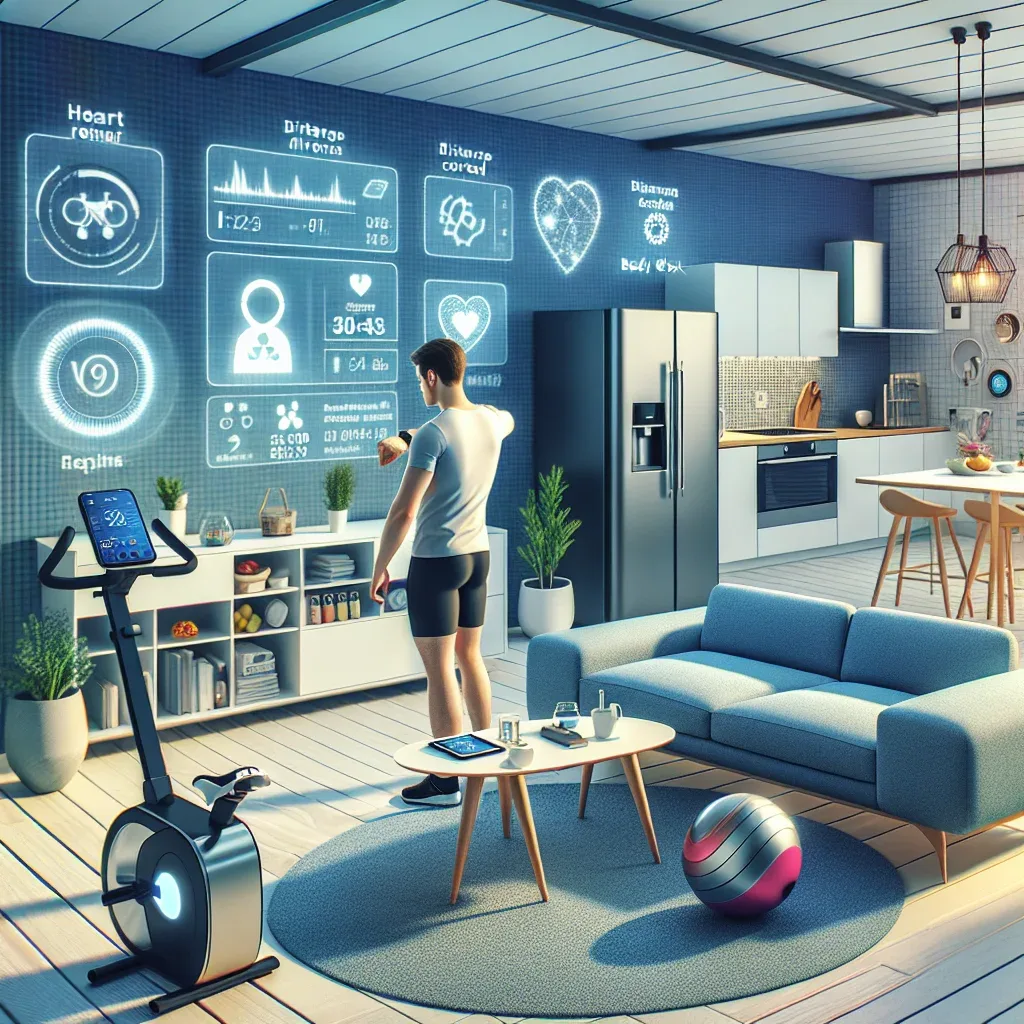
IoT and Improving Quality of Life at Home
Internet of Things (IoT) transforms a home from ordinary living space into a smart ecosystem that actively looks after residents' health. IoT devices communicate and collaborate through a unified network — controlling temperature, monitoring air quality, maintaining security, and tracking health simultaneously and automatically through Home Assistant running on Raspberry Pi 5.
Managing Indoor Air Quality
Air quality directly affects respiratory health — a particularly relevant concern in Bangkok where PM2.5 levels remain a challenge. PM2.5, CO2, and VOC sensors connected to Home Assistant display values in real time and automatically activate air purifiers when readings exceed WHO standards. Humidity control systems prevent mold and bacterial growth. This proactive monitoring and control approach measurably reduces respiratory health risks for all household members.
Intelligent Hygiene Management Systems
IoT technology maintains home hygiene automatically. Robot Vacuums connected to Home Assistant run on automated cleaning schedules while owners are away. Bathroom humidity sensors automatically activate exhaust fans when humidity exceeds 70%, preventing mold growth on walls. Touchless smart soap dispensers reduce surface contact and pathogen transmission throughout the home.
Personal Health Tracking with IoT
Smart Wearables connect to Home Assistant to display health data on a central Dashboard — covering heart rate, sleep quality, SpO2, and exercise metrics. The system alerts when values deviate from normal ranges, such as abnormally elevated heart rate or SpO2 dropping below 95%. For elderly residents, mmWave sensors detect falls and immediately alert caregivers without any camera-based privacy intrusion.
Integration and Quality of Life Benefits
Integrating all Smart Living Solutions through Home Assistant creates a comprehensive health-supporting home ecosystem. Clean air from automatic sensor-linked purifiers. Optimal lighting from Adaptive Lighting synchronized with biological clocks. Ideal temperature from Smart Thermostat management. Continuous health monitoring. Together, these turn your home into the best health ally you can possibly have.