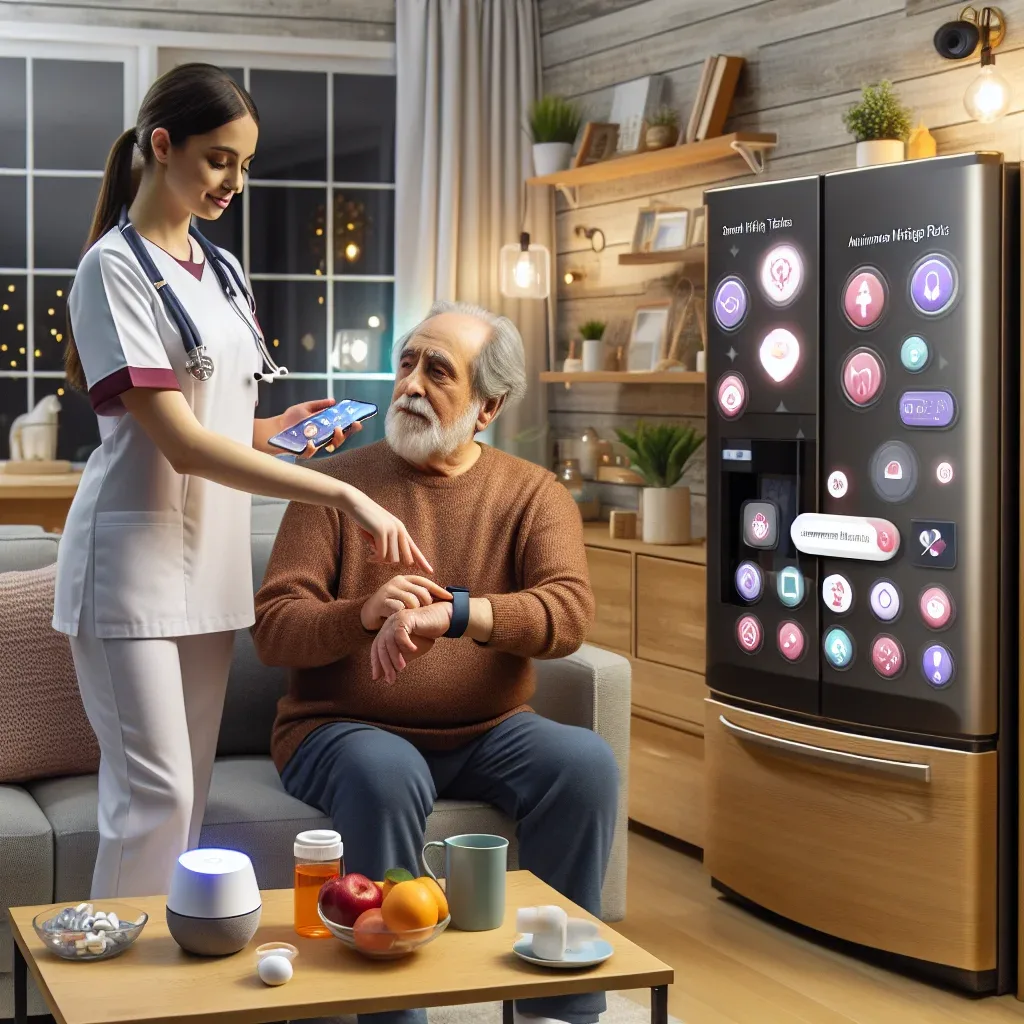
A Home That Knows Its Owners
The idea of a health-aware smart home is no longer theoretical. In 2026, affordable IoT sensors measure and adjust indoor conditions in real time — air quality, humidity, noise levels — all of which directly affect sleep, immunity, and cognitive performance.
HappySmart designs systems where health is part of the home architecture, not a gadget added as an afterthought.
Sensors That Work Quietly in the Background
The Xiaomi Air Detector measures CO2, TVOC, PM2.5, temperature, and humidity continuously, sending data to Mi Home or Home Assistant. When CO2 exceeds 1,000 ppm, the system can automatically activate a ventilation fan or send an alert to open a window — no manual action required.
In Bangkok during the dry season when outdoor PM2.5 rises sharply, an external air quality sensor linked to an indoor air purifier lets the home respond automatically. The owner notices only that the air feels clean.
mmWave presence sensors like the Aqara FP2 serve elderly care without using cameras. They detect falls or prolonged stillness in a bathroom or bedroom with enough precision to trigger an alert, protecting both safety and privacy.
Home Assistant: Local Data, Full Control
Home Assistant runs on a server inside the home. Health and lifestyle data never leaves the building, unlike Mi Home or Tuya which process data on overseas cloud servers. For families with elderly members or patients managing chronic conditions, Home Assistant can generate retrospective environmental health reports that inform medical consultations.
HomeBridge acts as a bridge for devices that do not natively support HomeKit, making them visible in the Apple Home app. This lets Apple users control hardware from any brand through Siri and apply HomeKit automation rules across their entire device collection.
Designed Around the Thai Lifestyle
Thailand's heat and humidity make moisture control and ventilation directly relevant to both health and building longevity. Mould develops when indoor humidity stays above 70% RH for extended periods. A sensor connected to an automatic dehumidifier addresses the problem before it becomes visible.
HappySmart's AI SmartHome packages include environmental health systems calibrated for Bangkok, Hua Hin, and Khao Yai conditions, accounting for local climate and building construction differences between each location.