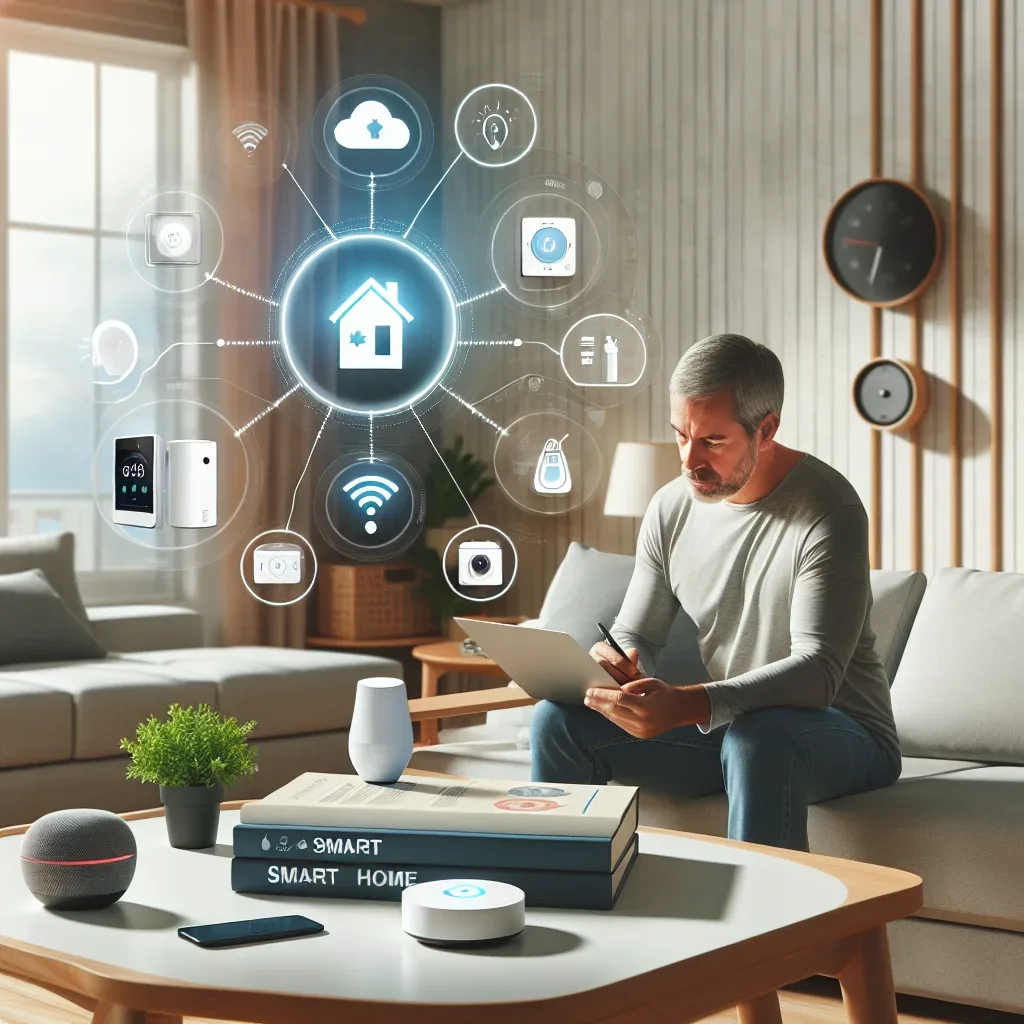
Start by Understanding Your Home's Actual Needs
Before comparing prices or browsing product listings, the most valuable step is a clear-eyed assessment of what your home genuinely requires. Do you live alone or with a multi-generational family? Are there elderly residents who need fall detection or young children who need monitoring? Is the floor plan open-plan or divided into distinct rooms? These questions directly determine which devices and protocols will serve you best.
A home with elderly residents may call for mmWave presence sensors capable of detecting subtle posture changes, while a younger household may prioritise voice control and tight integration with Apple HomeKit or Xiaomi's Mi Home ecosystem.
Comparing the Leading Platforms in 2026
Several platforms dominate Thailand's smart home market, each with distinct strengths.
Apple HomeKit suits users already in the Apple ecosystem who value data privacy. Most processing happens on the local network, limiting what leaves your home.
Matter 1.4 is the open standard built for interoperability. Devices from TP-Link, Xiaomi, and EZVIZ can coexist under one roof without brand lock-in. If long-term flexibility matters, Matter is the most future-proof choice available today.
Tuya and Mi Home are ideal for those who want rapid deployment at accessible price points. HappySmart devices start at ฿1,599 and are certified for both platforms.
Home Assistant running on HomeBridge offers the deepest customisation, able to unify nearly any brand into a single interface. It requires more technical setup but rewards the effort with unmatched control.
Budget Planning and Scope of Installation
Smart home budgeting has two distinct components: hardware and installation. Entry-level Matter smart switches and bulbs are affordable, but a comprehensive system covering lighting, door locks, EZVIZ cameras, and climate sensors requires budget for cabling, configuration, and user training as well.
HappySmart recommends starting with the room or function you use most, then expanding gradually. This approach delivers visible results quickly without waiting for a whole-home rollout before you experience the benefits.
Data Security and System Reliability
Cybersecurity is one of the most overlooked aspects of smart home planning. Every internet-connected device is a potential entry point. Choosing brands that publish regular firmware updates — such as TP-Link Tapo and EZVIZ, both of which release security patches on a scheduled cycle — significantly reduces exposure.
Systems that operate primarily on the local network, like Home Assistant, continue functioning even during internet outages. For door locks and security cameras, this local-first resilience is not a luxury — it is a requirement.
Final Step: Trial Before Full Commitment
Avoid purchasing an entire system at once. HappySmart suggests starting with a trial package covering one smart switch and one sensor, running it for two to four weeks to confirm the platform meets your expectations before scaling up.
The HappySmart team provides end-to-end support, from site surveys to full system design tailored to your lifestyle and property.