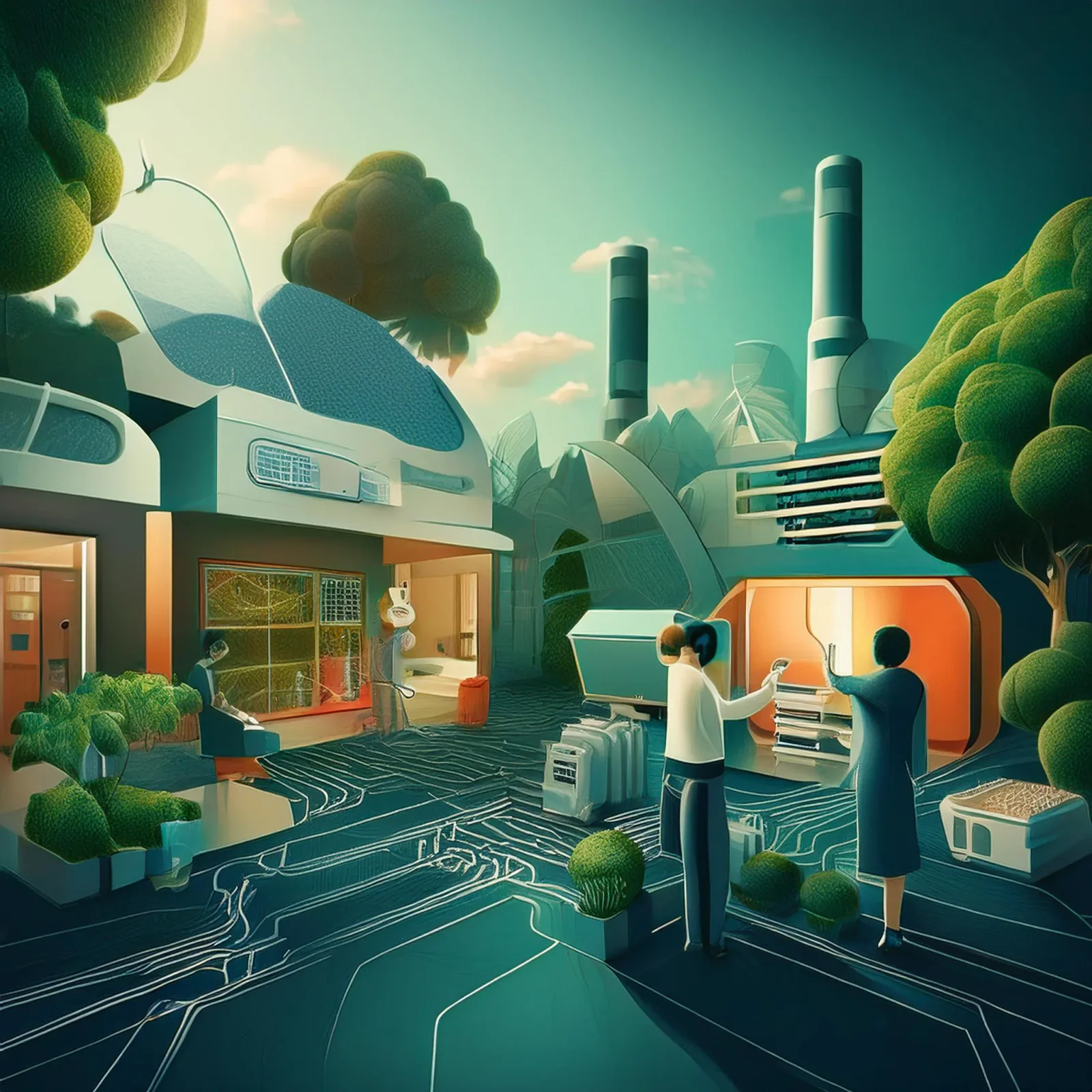
Bangkok Air Quality — A Problem Your Home Can Solve
Bangkok records PM2.5 levels above WHO guidelines on dozens of days per year. Outdoor air laden with dust, allergens, and vehicle-exhaust chemicals seeps into homes through gaps around doors and windows. A well-designed clean air system addresses this problem effectively.
How Positive Pressure Works
A Positive Pressure air system pumps more filtered air into the home than exits. This keeps indoor pressure higher than outdoor pressure. Any gap then becomes an exit point rather than an entry point, preventing pollutants from infiltrating the building envelope.
Multi-Stage HEPA and Carbon Filtration
HappySmart systems use layered filtration: a pre-filter captures large particles, an H14 HEPA filter removes 99.995% of particles at 0.3 microns, and Activated Carbon eliminates VOC gases, odours, and vehicle-exhaust chemicals. Air delivered into rooms is measurably cleaner than anything outside.
IoT Real-Time Control
PM2.5 and CO₂ sensors connected to the IoT platform monitor air quality continuously. When outdoor PM2.5 spikes, the system automatically increases filtration capacity and sends an alert to your smartphone. Indoor and outdoor air quality figures are visible in the app at all times.
Health Outcomes Families Notice
Families with clean air systems report fewer allergy symptoms, better sleep, and fewer childhood illnesses — especially during haze season when PM2.5 exceeds 100 µg/m³. The system is the difference between comfort and suffering on the worst air quality days.
Contact HappySmart via LINE @HappySmart for a free consultation and quote.