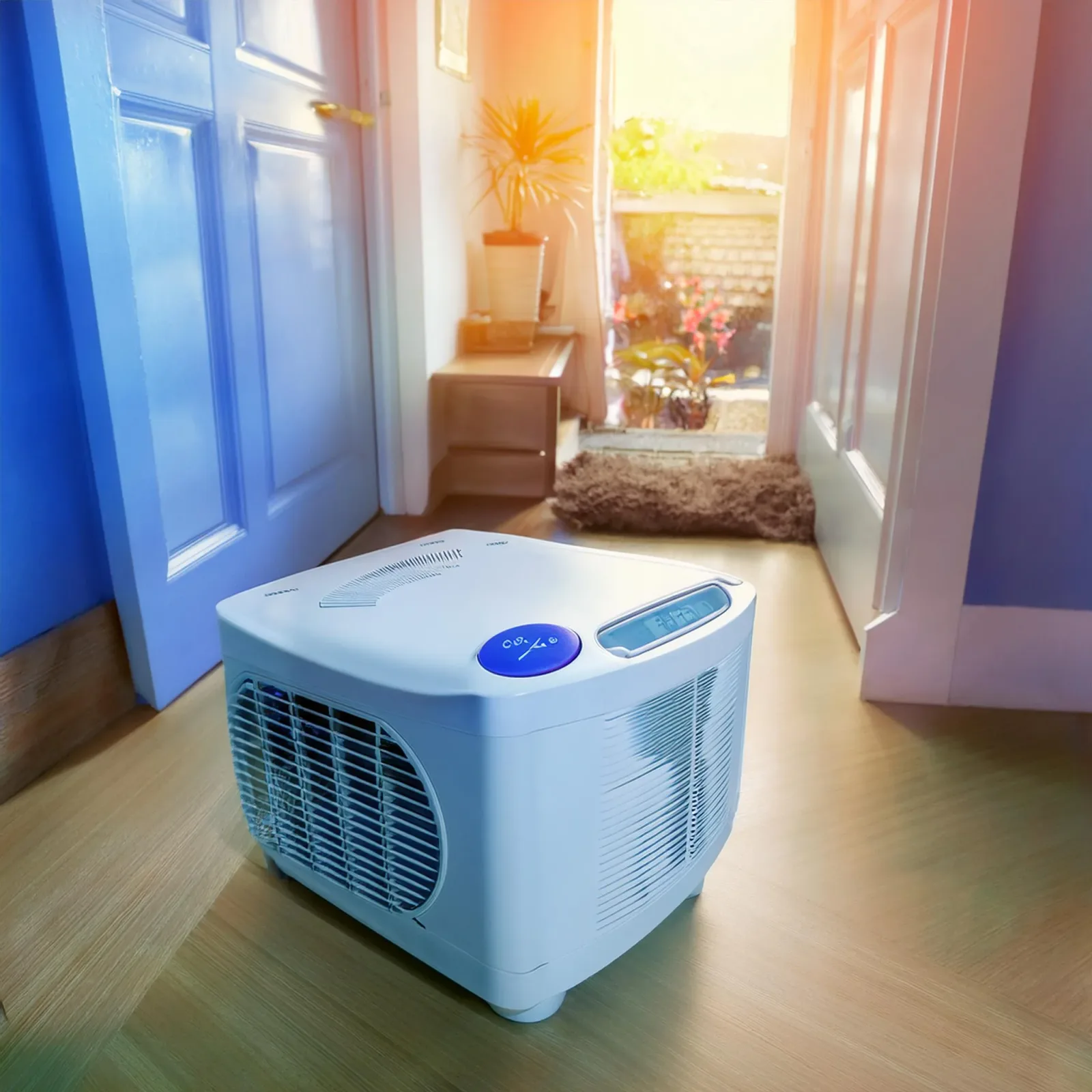
Understanding Air Pressure Systems in the Home
Many homeowners do not realise that a home without air pressure control continuously draws in dust and pollutants from outside — particularly when doors open or when air conditioning pulls in outdoor air. A Positive Air Pressure (PAP) system addresses this at its source.
How Positive Pressure Blocks Pollutants
A PAP system pumps more filtered air into the home than exits, maintaining higher indoor than outdoor pressure. At any gap or crack, air is pushed out rather than drawn in — meaning PM2.5, mould spores, insects, and allergens cannot naturally infiltrate the building.
HEPA 99.999% and Genuinely Pure Air
HappySmart PAP systems use HEPA filtration at 99.999% efficiency, capturing particles from 0.1 microns upward — PM2.5, PM10, mould spores, pollen, and bacteria. Air delivered into rooms is measurably cleaner than outdoor air even on Bangkok's worst air quality days.
Benefits for Allergy and Asthma Sufferers
Allergy and asthma patients respond well to positive pressure, clean-air environments. Families using these systems report significantly reduced symptom frequency, reduced inhaler use, and improved sleep — particularly for children whose immune systems are more sensitive than adults'.
Condo Air Quality in Bangkok
Bangkok condominiums often have worse indoor air quality than expected, due to inadequate ventilation and VOC accumulation from furniture and paint. HappySmart designs PAP systems specifically for condos, accounting for structural constraints and juristic office regulations.
Contact HappySmart via LINE @HappySmart for a free consultation and quote.