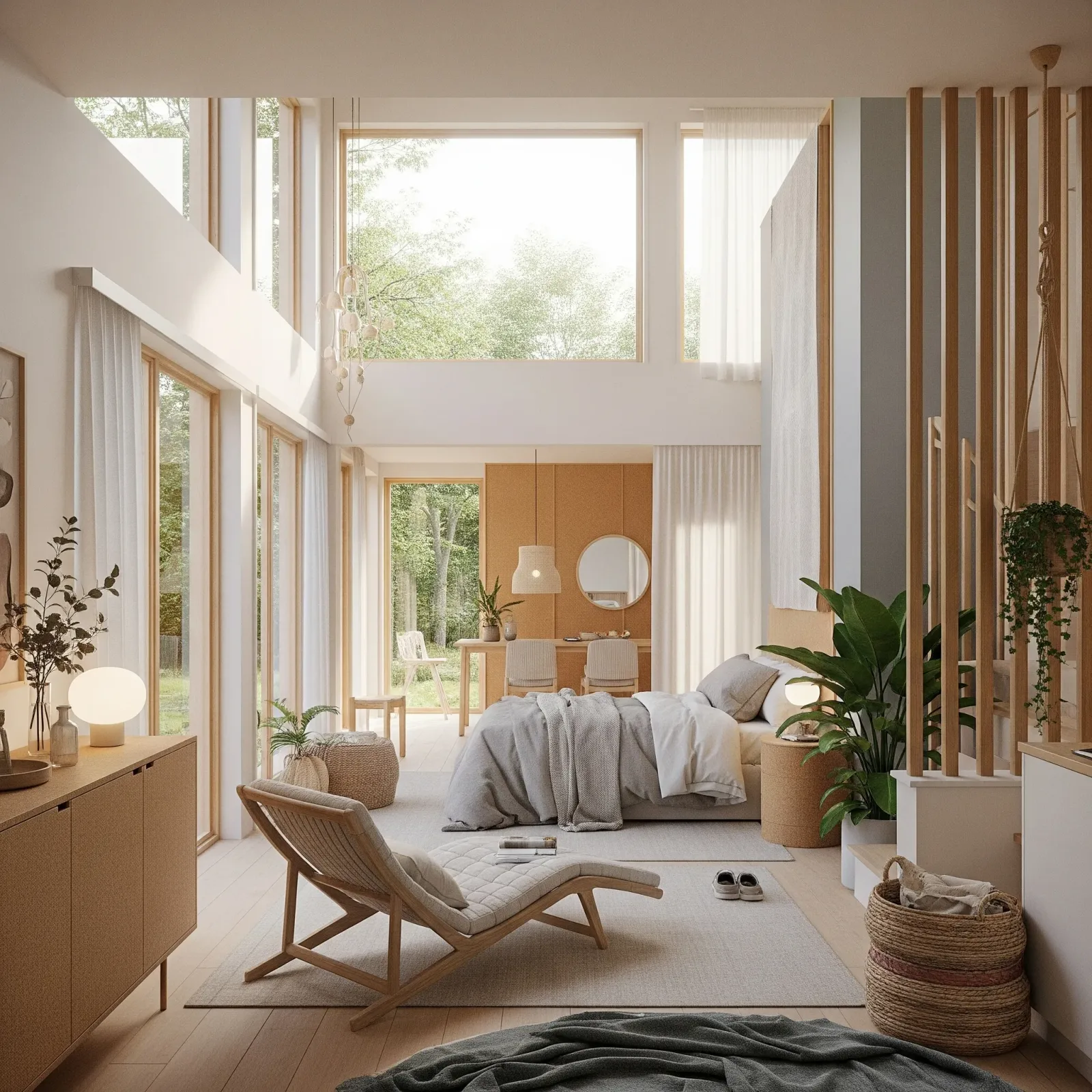
A Healthy and Safe Home with Good Air and Easy Sleep: Technology You Should Have
In an era where quality of life is paramount, the home is no longer just a shelter — it is a space that should support the health and safety of every resident at every life stage, especially children and the elderly. A health-focused safe home has become the defining concept of modern housing, achievable through the right Smart Home technology.
Why Indoor Health Matters for Every Age Group
We spend more than 60–70% of each day indoors — and young children and the elderly spend even more time at home than working-age adults. Indoor air quality therefore directly impacts physical and mental health. The most commonly overlooked problems include PM2.5 dust from cooking and outdoor pollution, CO2 buildup in closed rooms from breathing (levels above 1,000 ppm cause drowsiness and headaches), and sleep disrupted by noise or uncomfortable temperatures.
Smart Air Purifiers: The First Line of Defense in a Healthy Home
Modern smart air purifiers do far more than filter dust. They monitor air quality in real time, automatically adjust purification intensity based on pollution levels, allow app-based remote switching, and can be scheduled to activate before bedtime automatically. For example, Khun Kitti set his 4-year-old child's bedroom purifier to turn on 30 minutes before bedtime and switch off when dust readings drop below threshold — his child now sleeps soundly and wakes without nasal congestion.
CO2 Sensors: See the Air You Cannot See
CO2 sensors integrated with Smart Home systems automatically open fans or windows when CO2 levels exceed 1,000 ppm, trigger air purifiers or air-conditioning filtration systems, and send immediate mobile alerts. This reduces drowsiness and headaches while maintaining adequate oxygen levels for every person in the home.
Sound Therapy Speakers and Circadian LED Lighting
A sound therapy speaker scheduled to turn on and off automatically through an app helped Khun Wipa, a 65-year-old, sleep more deeply and stop waking in the night. Circadian LED lighting shifts from cool white in the morning to warm amber in the evening and dims gradually before bedtime, naturally signaling the body to prepare for rest.
Motion Sensors for Nighttime Guide Lighting
Nighttime motion sensors automatically activate guide lighting when elderly residents or young children get up to use the bathroom, preventing tripping in the dark. All of this operates together through Home Assistant or Google Home, creating a home that monitors and maintains everyone's health automatically around the clock.