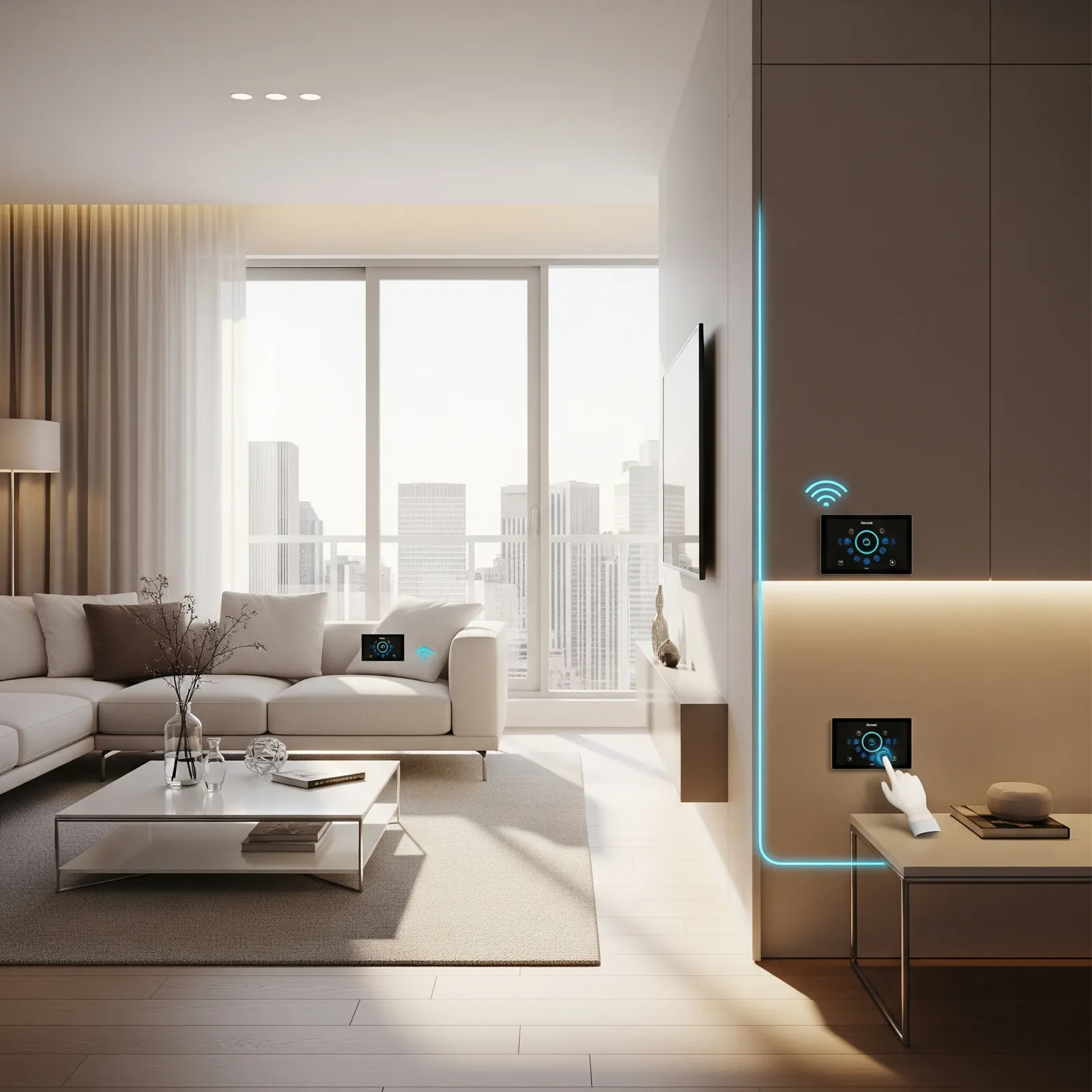
The Real Problems Condo Residents Face Every Day
Surveys of Bangkok condo residents consistently surface the same four pain points:
Forgetting to switch things off: 67% of respondents reported leaving home with appliances still running. The wasted electricity averages 300–500 THB per month — entirely preventable with automation.
Security: Bangkok condos typically have a single entry door, making Door Sensors and Smart CCTV disproportionately valuable compared to houses with multiple access points.
Multi-device overload: Modern condo dwellers manage over 10 electrical devices in a single unit. Controlling each separately wastes time. A smart home consolidates all controls into one app.
Shared access: Families and couples sharing a unit need to manage entry rights dynamically. Smart Locks and app-based access profiles solve this without cutting new physical keys.
The Best Devices for Thai Condos
Smart Camera: look for Motion Alerts, Night Vision, and Two-Way Audio. The Tapo C500 suits outdoor positions such as balcony or entrance corridor; the C200 works indoors. Priced 800–1,500 THB.
Door Sensor: alerts you any time the door opens unexpectedly. The Aqara Door and Window Sensor supports HomeKit, Google Home, and Home Assistant at 350–500 THB.
Smart Plug: the TP-Link Tapo P110 is the top-selling plug in Thailand. Energy Monitoring shows you exactly what each device costs to run, and Schedule Timer ensures nothing stays on when you're gone.
Smart Bulb: Philips Hue and Yeelight offer app and voice control at 400–1,500 THB per bulb. A single smart bulb in the bedroom creates meaningful ambiance automation for morning routines.
Smart IR Controller: the SwitchBot Hub Mini or Broadlink RM4 Mini (600–1,200 THB) turns any existing infrared remote — AC, TV, fan — into a voice and app-controlled device without replacing the appliance itself.
Three Budget Tiers for Condo Smart Home
Basic Tier (2,000–5,000 THB): Two Smart Plugs, one Door Sensor, one Smart Camera. Solves the three biggest daily annoyances — wasted power, forgotten appliances, and entry monitoring.
Mid Tier (5,000–15,000 THB): Adds Smart Bulbs, Smart IR Controller, Motion Sensor, and a Voice Assistant. Covers virtually all day-to-day convenience and security needs.
Pro Tier (15,000–50,000 THB): Smart Hub running Home Assistant, Smart Lock, multi-camera security system, and integration with the building's own CCTV.
Where to Start If You've Never Done This Before
One Smart Plug is enough. Connect it to whichever appliance you most often leave on accidentally, set a daily Schedule in the app, and watch your electricity bill over the next 30 days. If the result is positive — and it will be — add one more device. There's no obligation to invest heavily from the start.
HappySmart offers free consultations for condo residents, helping you plan a system that fits your specific unit layout and budget.