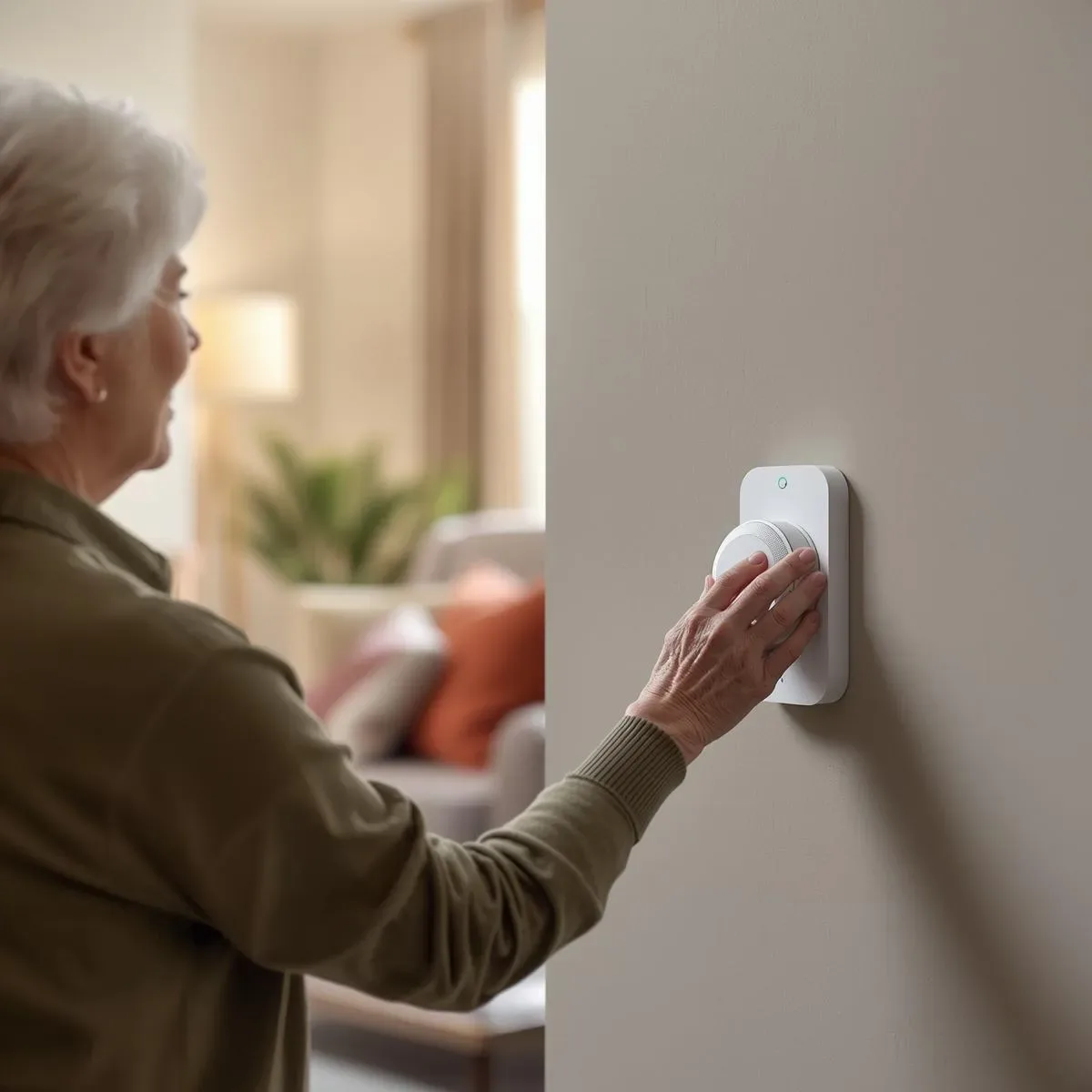
Why Smart Home Technology Matters for the Elderly
Most seniors want to stay in their own homes as long as possible, but rising safety risks and care needs often worry families. Smart home systems designed specifically for elderly residents bridge this gap — providing independence to seniors while offering peace of mind to family members.
Voice Control: The Most Accessible Interface
For seniors with vision or hand mobility challenges, voice control through Google Assistant, Siri, or Amazon Alexa is the optimal solution. Simple commands like "turn on the living room light" or "set the temperature to 25 degrees" control the home instantly, with no need to touch switches or remotes.
In Home Assistant, you can configure Thai-language Wake Words or connect a LINE Chatbot so seniors can control their home through the familiar messaging app they already use daily.
Medication Reminder System: Never Miss a Dose
Taking medication at the wrong time or forgetting doses is a critical issue for the elderly. The Pill Reminder Automation in Home Assistant can be configured to announce reminders through bedroom speakers while simultaneously sending a LINE notification to family members. If the senior does not respond within 15 minutes, the system triggers a follow-up alert automatically.
Fall Detection: Protecting Every Corner of the Home
Falling is the leading cause of injury among the elderly, especially in bathrooms and on stairs. An effective fall detection system combines mmWave Radar Sensors (such as Aqara FP2 or Tuya mmWave) that detect body posture and movement with enough precision to distinguish between sitting still and collapsing to the floor. PIR Motion Sensor with Time Logic provides a complementary layer: if a sensor detects someone entering the bathroom but no exit movement is detected within 30 minutes, the system automatically sends an emergency alert.
Geo-fence for Dementia Patients
Dementia patients may wander from home without awareness. A Zone Alarm system using UWB Tags or BLE Beacons attached to the patient can alert caregivers when the patient approaches the front door or fence, automatically lock doors, and notify family members through LINE instantly.
Panic Button: Call for Help Immediately
Portable panic buttons placed in the bathroom, bedroom, and kitchen trigger a comprehensive emergency response: automatic VoIP calls to family members, LINE messages with the exact room location, live IP camera feeds of the incident room, and automatic front door unlocking for emergency responders.
Conclusion
Smart home technology for the elderly is not simply about gadgets — it is about restoring confidence, dignity, and independence to seniors while meaningfully reducing the burden and anxiety of their families.