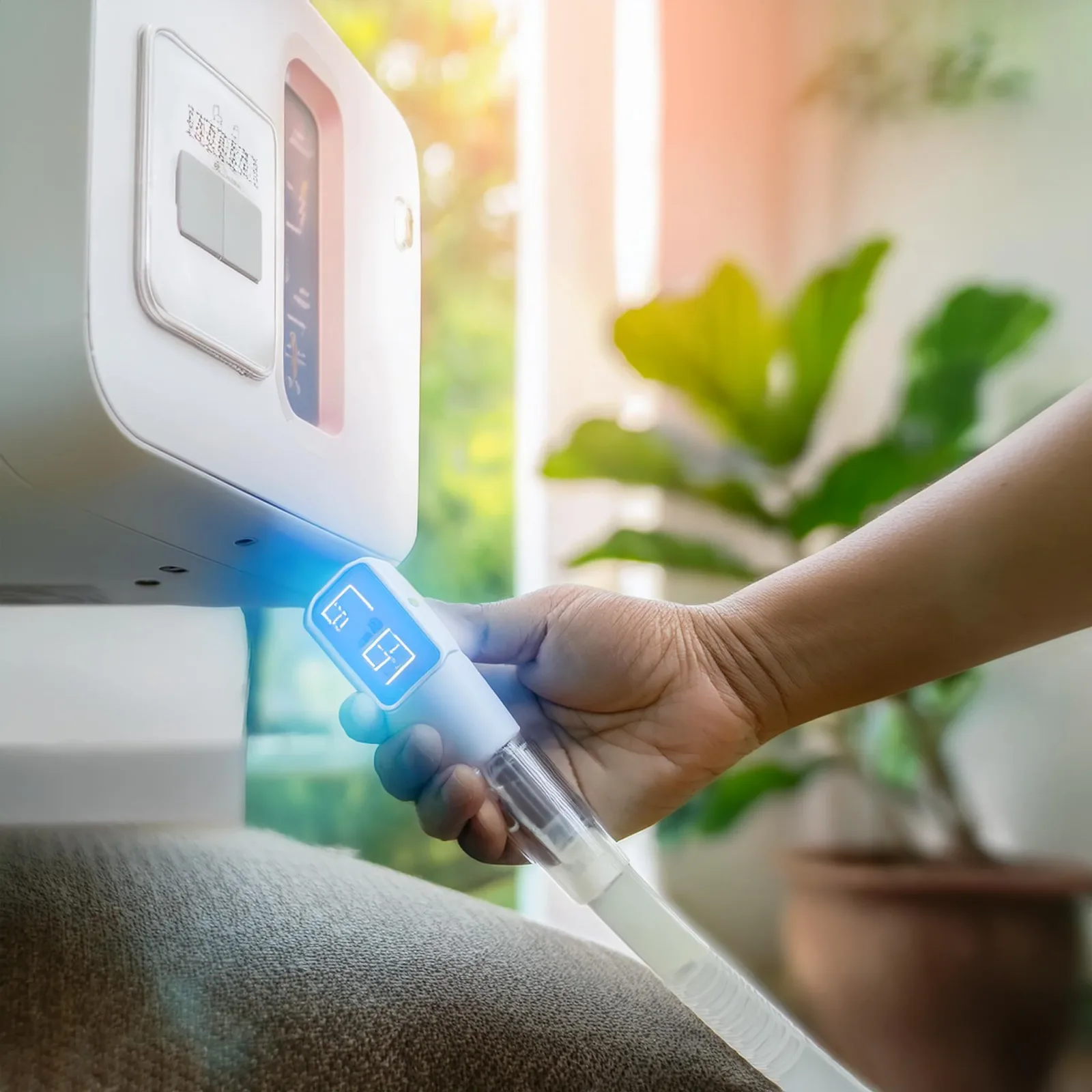
Why Indoor Oxygen Levels Are Lower Than You Think
Outdoor fresh air contains roughly 20.9% oxygen. In modern energy-efficient buildings, however, sealed windows and inadequate air circulation can push oxygen levels down to 19% or below.
In Bangkok, where heat, humidity, and PM2.5 are constant concerns, residents keep windows firmly shut to block pollution. The result is a building that may be protected from outdoor air — but has worse air quality inside.
Symptoms That Signal Low Indoor Oxygen
The body responds to low oxygen in ways we rarely connect to air quality:
Headaches and fatigue after spending extended time in a room with poor ventilation.
Short attention span and reduced work performance. A Harvard T.H. Chan School of Public Health study found that doubling ventilation rates improved cognitive performance by up to 61%.
Poor mood and irritability — directly correlated with elevated CO2, which typically rises as oxygen is consumed.
Poor sleep or waking unrefreshed — bedrooms with inadequate ventilation accumulate CO2 throughout the night.
How HappySmart Oxygen Enhancement System Works
HappySmart designs Positive Pressure Systems that push filtered fresh air into a building at a higher rate than normal, creating a slight positive pressure inside. The result:
- Clean air pushes outward through gaps and joints rather than letting polluted air seep in
- CO2 levels drop steadily
- Oxygen levels stay consistently close to 20.9%
This integrates with air quality sensors that monitor O2, CO2, PM2.5, and VOC in real time, connected to smart ventilation that adjusts automatically based on occupancy.
Real-Time Air Quality Monitoring
The HappySmart dashboard shows air quality readings for every room on the mobile app. You can see which room has elevated CO2, and the system adjusts ventilation automatically.
HEPA filtration captures 99.97% of PM2.5 particles. Activated carbon filters handle VOCs from new furniture and wall paint.
The Right Solution for Bangkok Buildings
HappySmart offers solutions at every level — from a single bedroom air quality sensor to a fully integrated smart ventilation system for an entire home or office.
Investing in indoor air quality is not just about health. It is an investment in cognitive performance, sleep quality, and the wellbeing of everyone in the building.
Contact HappySmart via LINE @HappySmart for a free consultation and quote.