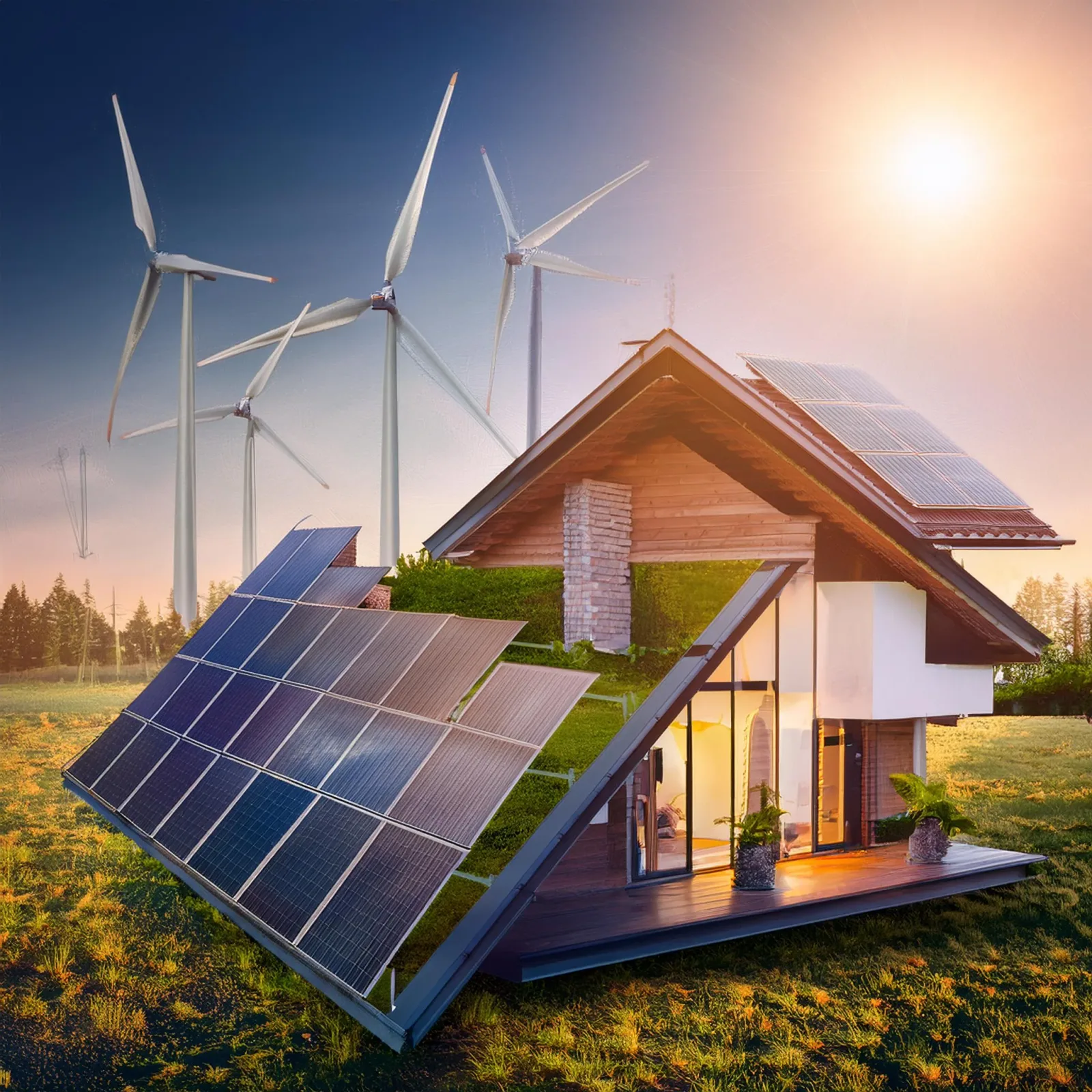
Electricity Costs Are Bangkok's Biggest Home Expense
Electricity tariffs in Bangkok have risen steadily, and mid-to-large homes running multiple air conditioning systems now spend 15,000–40,000 THB or more on power each month. The majority of this cost comes from appliances and systems running without intelligent management — cooling empty rooms, running on inefficient schedules, and consuming standby power around the clock.
Smart energy management in 2026 is not about turning off lights manually. It is an integrated ecosystem that optimises every layer of energy flow, from generation to storage to consumption.
Solar Rooftop: Generate Power from Your Own Roof
Bangkok receives 5–6 peak sun hours daily year-round — one of Southeast Asia's most favourable rooftop solar environments. A 10 kWp system produces approximately 1,200–1,500 kWh monthly, covering the baseline consumption of a medium-sized home.
HappySmart integrates solar generation data into the home's IoT energy management layer. The system identifies peak production windows — typically 9am to 3pm — and automatically schedules high-draw appliances such as washing machines, dryers, and EV chargers to run during those hours, maximising self-consumption and minimising grid draw.
Heat Pump Technology: Three Times More Efficient Than Conventional Heating
Heat pumps are increasingly specified in Bangkok's premium residential projects for their exceptional efficiency ratio. For domestic hot water production, a heat pump delivers a COP (Coefficient of Performance) of 3–4, meaning one unit of electricity generates the equivalent of three to four units of thermal energy. Compared to a conventional resistance heating element at COP 1:1, hot water costs reduce by up to 70%.
HappySmart integrates heat pump water heaters into the home's solar and IoT management network, scheduling operation during peak solar production hours for maximum efficiency.
Smart Plugs and Power Monitoring: Visibility Is the First Step to Savings
Xiaomi Mi Home and Tuya smart plugs measure real-time power consumption at the individual appliance level, streaming data to the HappySmart dashboard. You see exactly how much each device costs to run — your bedroom air conditioner per day, the washing machine per cycle, the old refrigerator in the kitchen that has been quietly wasting power for years.
This granular data identifies the highest-impact replacement or scheduling changes, and provides the baseline against which energy savings are measured after system installation. Savings become visible and verifiable from the first billing cycle.
AI-Optimized HVAC Scheduling: Smarter Than a Timer
Conventional HVAC scheduling sets fixed on and off times. AI-optimized scheduling analyses multiple simultaneous inputs: outdoor temperature forecast, indoor conditions, occupancy sensor data, solar generation levels, and time-of-use electricity tariff windows.
The result is a system that pre-cools the home during low-tariff periods, reduces compressor load during peak tariff hours, and maintains comfort throughout — without any reduction in the living experience. Clients consistently describe this as the feature they notice least and value most: the house simply stays comfortable for less money.
Energy Storage and Smart Grid Integration
For solar-equipped homes, battery storage captures excess daytime generation for use during evening peak hours — eliminating the need to draw from the grid precisely when tariffs are highest. Battery storage costs have fallen significantly by 2026, making the economics compelling for high-consumption Bangkok homes.
Smart grid integration allows the system to make real-time decisions about drawing from solar, battery, or the utility grid based on current tariff pricing and forecast generation — always choosing the lowest-cost option without any manual input.
Guaranteed Results: 20-30% Monthly Savings
HappySmart backs its energy management systems with a performance commitment: full installations consistently deliver 20–30% reductions in monthly electricity costs compared to pre-installation baselines. The monitoring dashboard provides daily visibility into actual savings — transparent numbers, not promises.
For a home currently spending 30,000 THB monthly on power, a 25% reduction is 7,500 THB saved every month — 90,000 THB annually. At that rate, the system investment pays for itself in three to five years, with decades of savings thereafter.
Contact HappySmart via LINE @HappySmart for a free consultation and quote.