Why Do Electricity Bills Spike?
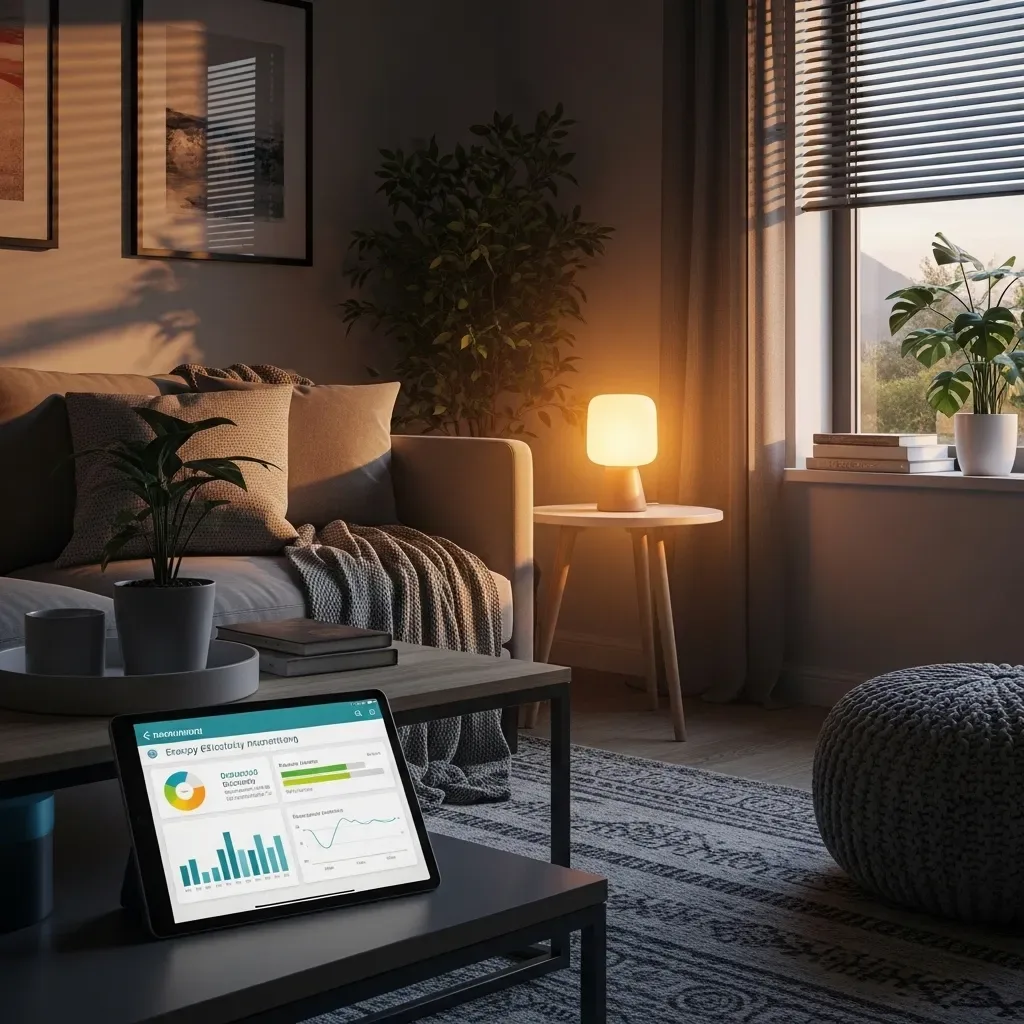
Unexpected electricity bill surges often stem from invisible causes — AC units running while no one’s home, forgotten water heaters, or aging appliances drawing more power than normal. These issues are hard to spot with the naked eye, but Smart Home systems can measure and alert you in real time.
In Bangkok, where MEA uses Time-of-Use (TOU) tariffs — Peak ฿4.18/unit (09:00–22:00) vs. Off-Peak ฿2.60/unit (22:00–09:00) — knowing which devices consume power during which periods directly impacts your monthly bill.
How Energy Excess Alert Systems Work
Smart Plugs with Energy Meters connect to your AC, washing machine, or other large appliances. Set thresholds — for example, if the AC draws over 1,500 watts, immediately send a LINE notification.
Whole-Home Circuit Monitors install at the main breaker panel, measuring total household energy consumption. Set rules like: if daily usage exceeds X units, send a summary report and LINE OA alert.
AI-Based Anomaly Detection — HappySmart’s system learns your home’s normal power consumption patterns. When anomalies are detected (e.g., AC running 8 hours straight on a day no one’s home), the system alerts you immediately.
Effective Alert Configuration
Level 1 – Notification Only: Push notification when energy exceeds set thresholds; you decide the response.
Level 2 – Alert + Auto Shutoff: If no response within 10 minutes, the system automatically cuts power to the offending device.
Level 3 – Smart Override: The system checks occupancy via presence sensors. If the home is empty, high-consumption devices are automatically shut off without waiting for confirmation.
Measurable Results
Bangkok homes with HappySmart energy alert systems report average electricity bill reductions of 18–25% per month by catching wasteful behaviors early and correcting them immediately. This makes utility budgets far more predictable.
Investment: Smart Plugs with energy monitoring start at ฿1,500–3,000 per point; Whole-Home Circuit Monitor systems run ฿15,000–30,000, paying back within 12–18 months from electricity savings.