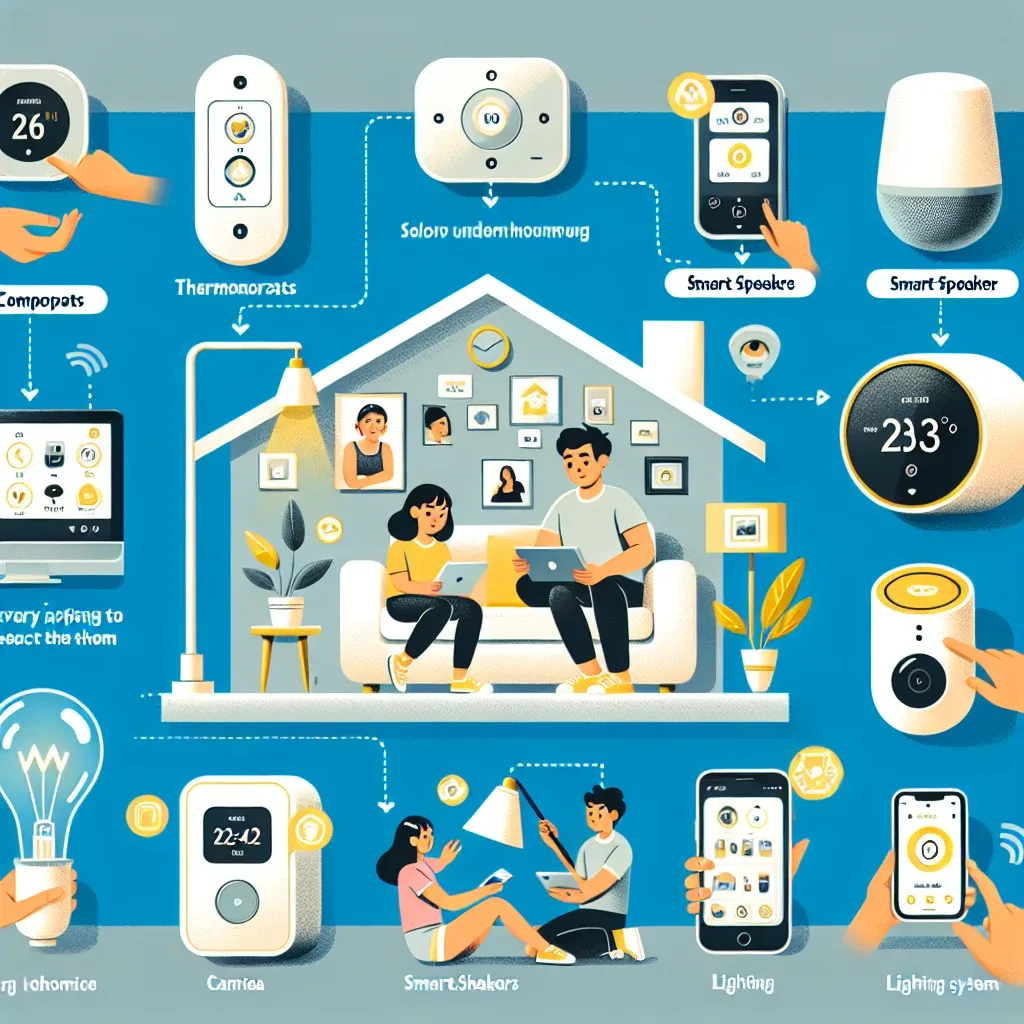
Residential and Commercial Needs Differ Significantly
Choosing smart home devices for a residence and for a business involves clearly different priorities. Homes focus on personal comfort, safety, and energy savings. Businesses need data logging, employee access management, and long-term operational cost reduction.
For commercial settings such as offices or restaurants, Tuya Business provides multi-location device management from a single dashboard and generates automated daily energy consumption reports.
Assessing Your Existing Infrastructure
Before selecting any device, survey the electrical systems and network coverage of the home or building. Most smart home devices require stable 2.4GHz or 5GHz Wi-Fi. Large multi-story homes should consider installing a Wi-Fi Mesh System first to ensure full coverage before adding smart devices.
Devices using Zigbee or Z-Wave need a central hub connected to the router. Brands like Aqara offer hubs that support both Zigbee and Matter simultaneously, reducing the number of intermediary devices required.
Verify Certifications Before Buying
The Thai market has both genuine branded products and near-identical counterfeits using similar names. The most reliable verification method is checking the Matter Certification ID on the Connectivity Standards Alliance website or looking for the Matter logo printed on the packaging.
For cameras, choose brands with CE and FCC certification and a clear privacy policy stating where video data is stored and for how long.
Long-Term Planning and System Expansion
A well-designed system is one that expands without discarding existing hardware. Matter 1.4-compatible platforms have a clear advantage here because new devices purchased in the future automatically integrate with the existing setup.
HappySmart offers system design services starting with a site survey and needs assessment, followed by a phased installation plan that scales with budget. Services include installation, configuration, and user training.