What a Smart Home Assistant Is and What Options Exist
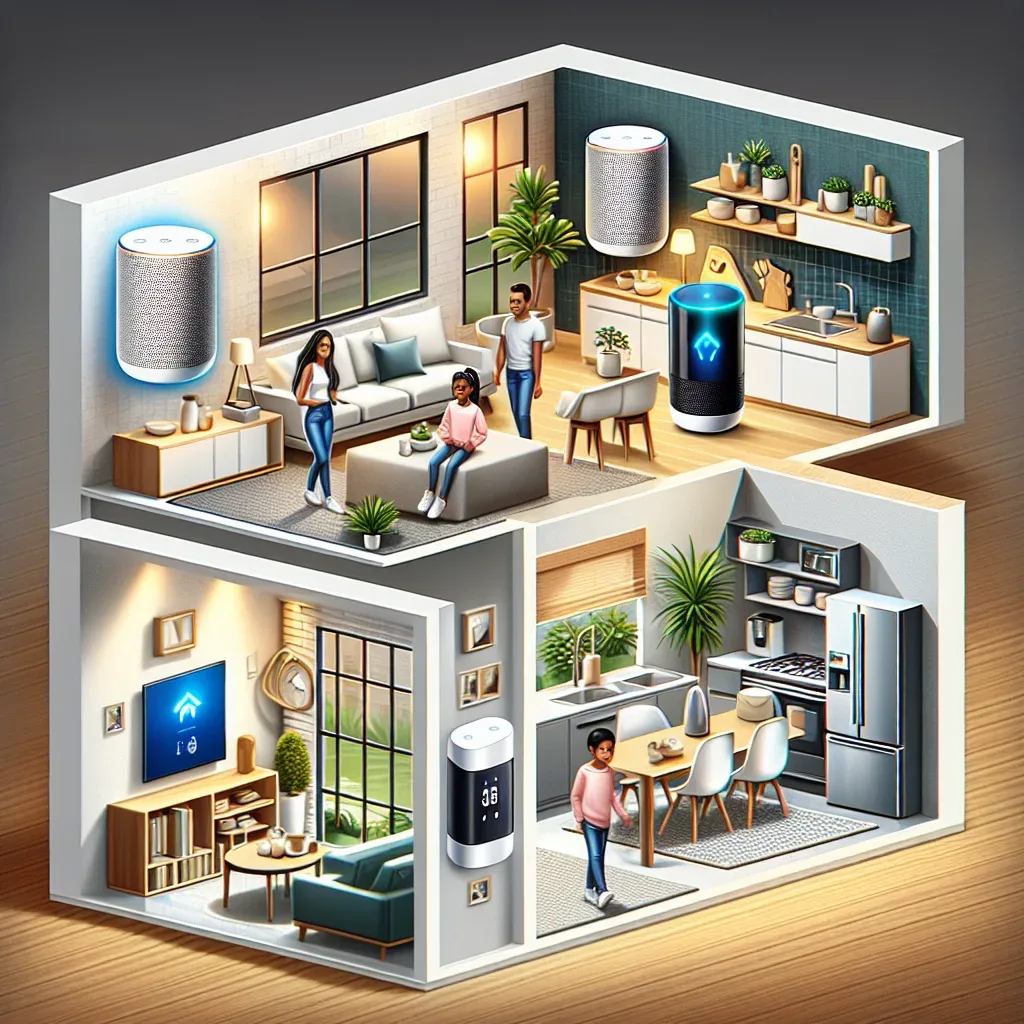
In a smart home context, a Smart Home Assistant is the platform or hub that serves as the central controller for all devices. In 2026 there are four main categories.
The first is voice assistant platforms from major technology companies: Apple Siri with HomeKit, Google Home with Google Assistant, and Amazon Echo with Alexa. Each has distinct strengths. HomeKit prioritises privacy and stability, Google Home emphasises AI and search integration, and Alexa offers the broadest device compatibility.
The second is open-source platforms such as Home Assistant, which offer maximum flexibility and no monthly fees.
The third is brand-specific apps — Xiaomi's Mi Home and Tuya Smart — which are simple to use but confined to their own ecosystem.
Key Factors for Choosing
Devices already in the home are the best starting point. If you primarily use an iPhone, HomeKit delivers the most seamless experience. If Android is your platform, Google Home integrates better. If you need to control affordable devices from many brands simultaneously, Home Assistant handles all of them.
Matter 1.4 support is a mandatory check before any purchase in 2026. A Matter-compatible platform prevents vendor lock-in. Devices bought today will still work if you change your platform in the future.
Privacy and local processing are increasingly important to HappySmart clients. Platforms that process automation locally — HomeKit over Thread and Home Assistant — do not transmit household behaviour data to overseas servers.
Comparing the Main Ecosystems in the Thai Market
HomeKit suits Apple users who want easy setup, strong stability, and the best privacy. The trade-off is higher device prices and the need for an Apple TV 4K or HomePod as an in-home hub.
Mi Home and Tuya Smart suit buyers who want affordable devices and very easy setup, widely available on Lazada and Shopee. The trade-offs are dependence on overseas cloud servers and less sophisticated automation compared to Home Assistant.
Home Assistant suits anyone who wants complete freedom, no subscription fees, and local processing. Initial setup takes more effort, but HappySmart installs and configures the entire system so you do not need to do it yourself.
HappySmart's Recommendation
For most Bangkok homes, HappySmart recommends starting with Home Assistant on a Raspberry Pi 5 as the primary hub, connecting devices over Matter 1.4 for maximum flexibility. The same setup also allows control from HomeKit, Mi Home, and Google Home simultaneously.
This approach delivers privacy, flexibility, and complete independence from any single vendor.