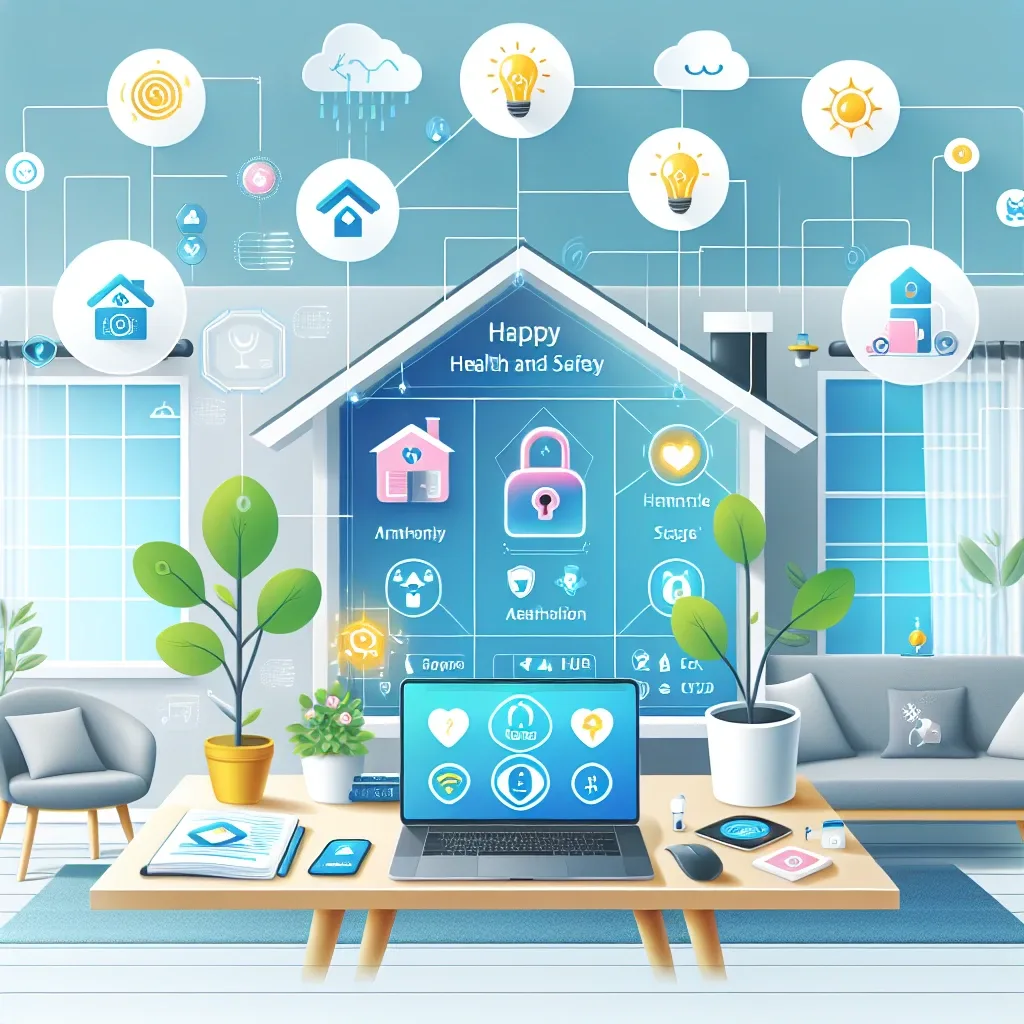
Smart Homes and Health in the IoT Era
Home healthcare is being transformed by IoT technology. Modern smart home devices can measure, track, and deliver real-time health data, empowering residents to care for themselves and family members more effectively without frequent hospital visits.
This is particularly relevant in Thailand, where PM2.5 air pollution is a recurring problem in Bangkok and the northern regions. Having indoor air quality sensors is no longer a luxury but a genuine health necessity.
Indoor Air Quality Management
Smart air quality sensors measure PM2.5, CO2, temperature, and humidity in real time. When PM2.5 exceeds safe thresholds (>35 μg/m3), the system automatically activates air purifiers and pushes notifications to your smartphone. Smart thermostats maintain sleep-optimal room temperatures between 18-22°C, significantly improving sleep quality over time.
For residents with allergies or respiratory conditions, real-time air quality data makes it easy to decide whether to open windows or run purifiers, effectively minimizing allergen exposure throughout the day.
Wearables and Health Monitoring
Modern wearables continuously track SpO2 (blood oxygen saturation), heart rate, blood pressure, and sleep quality. When integrated with Home Assistant, this data populates a live dashboard and can trigger automations. For example, if SpO2 drops below 95%, the system immediately alerts family members.
For elderly residents living alone, wearable integration allows family members to check health status remotely. Any anomaly triggers an instant notification, providing peace of mind without requiring constant physical presence.
Safety with Cameras, Smart Locks, and Sensors
A complete smart security setup includes several layers. AI-enabled IP cameras distinguish between people, pets, and vehicles, dramatically reducing false alerts so you only receive notifications that genuinely matter. Smart locks allow temporary PIN codes for contractors or guests, with a full entry/exit log maintained automatically.
Smoke and gas leak detectors integrated with the smart home hub send simultaneous in-home alerts and smartphone notifications. When a gas leak is detected, the system can automatically close a connected smart valve, potentially preventing a dangerous situation before it escalates.
Motion Sensors and Anomaly Detection
PIR motion sensors offer benefits far beyond intruder detection. For elderly or unwell residents, unusual absence of movement in a room for an extended period can trigger an automation alerting caregivers. This approach helps prevent accidents such as falls in the bathroom or medical episodes going unnoticed.
HappySmart Health and Safety Solutions
HappySmart designs smart home systems with the health and safety of every family member in mind. We offer dedicated packages for elderly care that combine wearable health monitors, air quality sensors, smart locks, IP cameras, and gas detectors — all integrated with Home Assistant on Raspberry Pi 5, with a remote-access dashboard for family members to check in from anywhere.