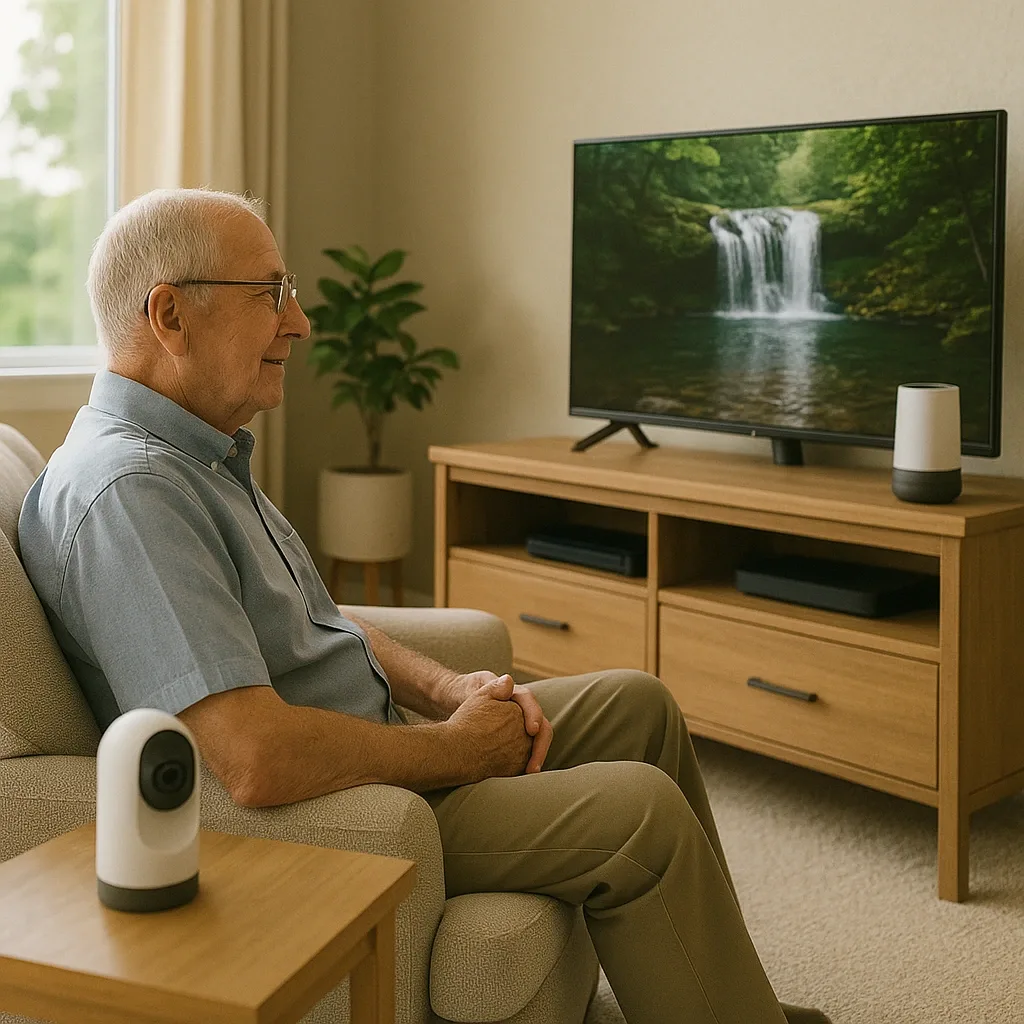
Many families hesitate to invest in Smart Home systems for the elderly due to perceived cost. But when compared to the expenses from preventable accidents, the investment typically pays back within one to two years.
Sample ROI from Preventable Accidents
Hip fracture surgery from a fall in Thailand (private hospital): 180,000–350,000 THB. Three months of rehabilitation and physiotherapy: 30,000–60,000 THB. Temporary caregiver during recovery: 20,000–40,000 THB. Total cost from a single fall: 230,000–450,000 THB.
Mid-tier Smart Wellness Room installation (mmWave + Panic Button + Motion Lights + Smart Bed): 35,000–65,000 THB.
Break-even: preventing even one fall recovers the investment 5–10 times over.
Additional measurable benefits: family check-in calls reduced from 4–5 per day to 1 (75% reduction); elderly person sleeps better, reducing anxiety and sleep medication use; working-age family members experience fewer work absences from worry.
12-Month Maintenance Schedule
Monthly (15–20 minutes): press the Panic Button and verify the family receives the alert; check Wi-Fi signal strength in the room; check battery level of Panic Button via app; walk past Motion Sensor Light and confirm it activates.
Quarterly (30–45 minutes): update mmWave Sensor and Smart Hub firmware; test mmWave by lying still for 20 minutes and confirming the system triggers an alert; check grab rail fastening torque; disconnect UPS from mains and verify devices continue operating.
Annual (half-day): reassess risk profile based on the elderly person’s changing physical condition; inspect vinyl flooring for raised edges or cracks; replace all battery-powered device batteries; conduct a Fire Drill by pressing the emergency button and rehearsing hospital transport.
5 Common Maintenance Mistakes
Forgetting to test the Panic Button for several weeks — battery dies unnoticed.
Skipping firmware updates, leaving security vulnerabilities open.
Changing the Wi-Fi password without updating Smart Home devices.
Moving furniture and creating a new mmWave dead zone.
Elderly person starts a new medication but health app alert thresholds are not adjusted.