MEA
5 articles on MEA.
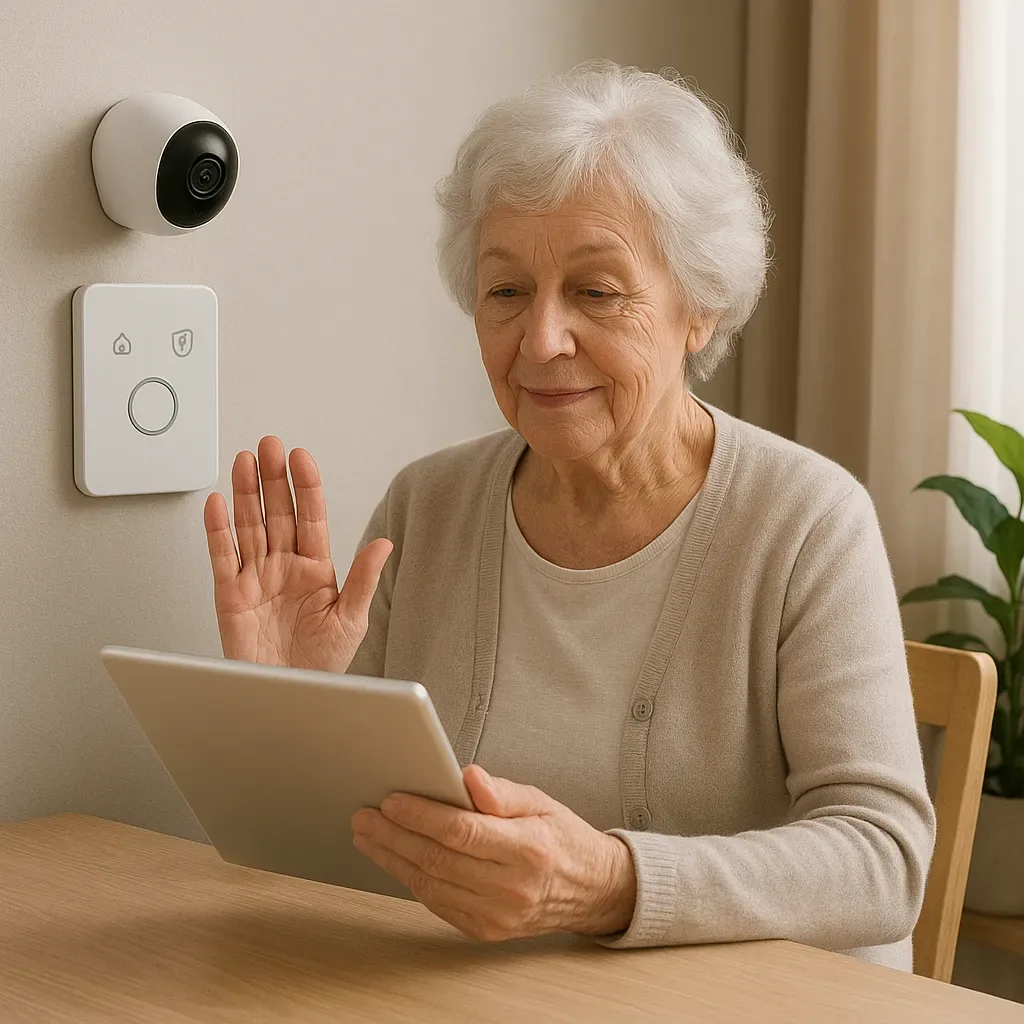
Smart Home Energy Management: Peak-Hour Control and Load Shifting to Cut Thai Electricity Bills
Thai electricity costs rise annually. Smart home automation handles load shifting, avoids peak tariff hours, and reduces consumption during expensive rate periods — set up once and save automatically.
read ↗

Smart Home Energy Saving: Combining Technology for Convenience and Sustainable Living
A well-designed smart home reduces electricity bills 20–35% without sacrificing comfort — covering intelligent AC management, solar integration, time-of-use optimisation, and a real-time Energy ROI dashboard.
read ↗
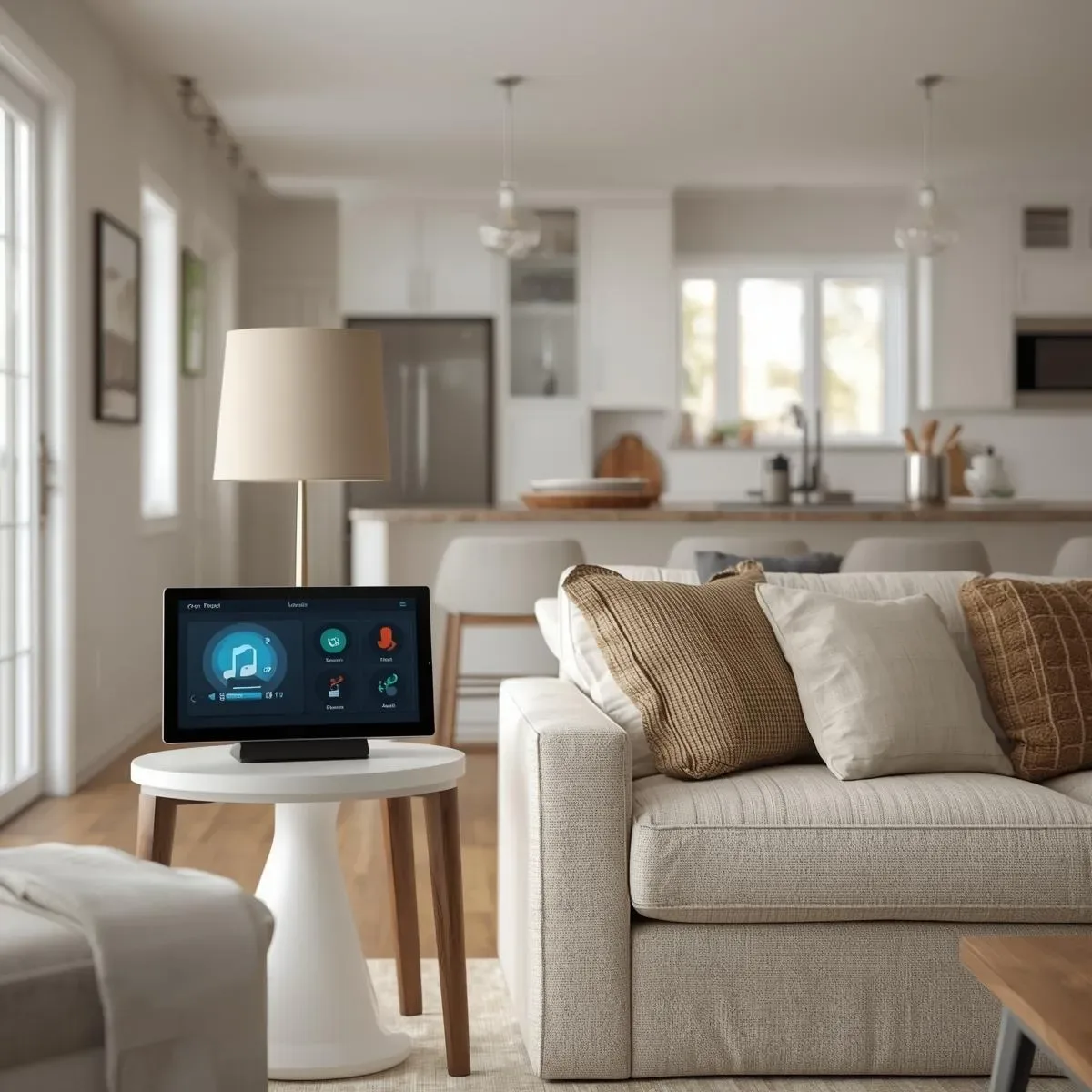
Demand Response Automation: MEA TOU Rate Optimization with Pre-Cooling and Load Shifting
Design a Demand Response automation aligned with MEA TOU electricity rates, using pre-cooling before peak hours and appliance load shifting to reduce electricity bills by 20–35% without affecting comfort.
read ↗
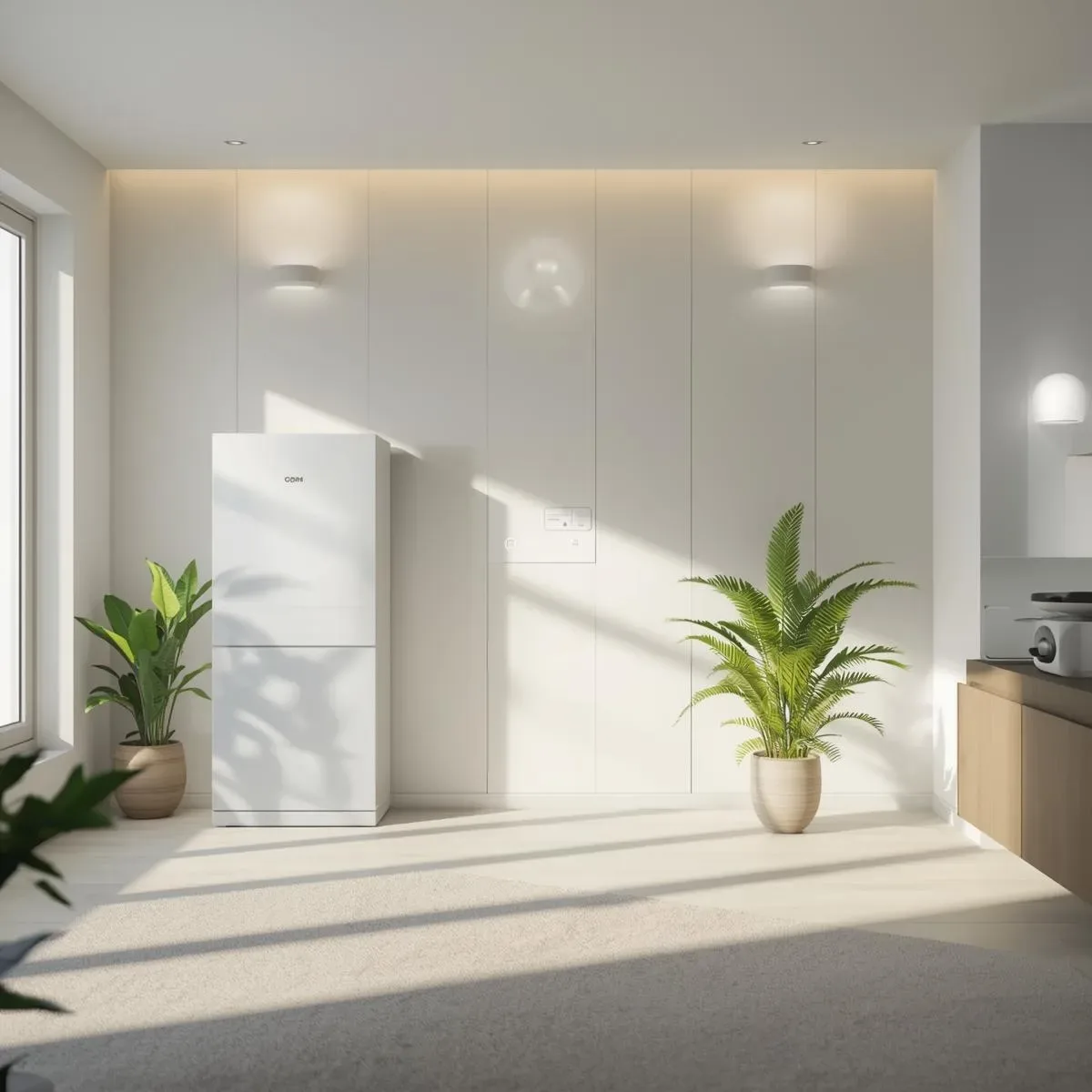
Smart Appliance Ecosystem: Off-Peak TOU Scheduling to Cut Electricity Bills in Thailand
Leverage MEA/PEA Time-of-Use (TOU) tariffs with smart plugs, smart outlets, and Home Assistant automation to schedule heavy appliances during off-peak hours (22:00–09:00), cutting electricity bills by 20–35% without changing daily routines.
read ↗

Grid-Interactive Smart Home in Thailand: Net-Metering, Demand Response, and EV Charging Optimization
Thai smart homes can export surplus solar power to the MEA/PEA grid via net-metering, shift high-load appliances to off-peak TOU tariff windows, and synchronize EV charging with midday solar surplus—achieving 30–40% total electricity bill reductions in optimized grid-interactive systems.
read ↗