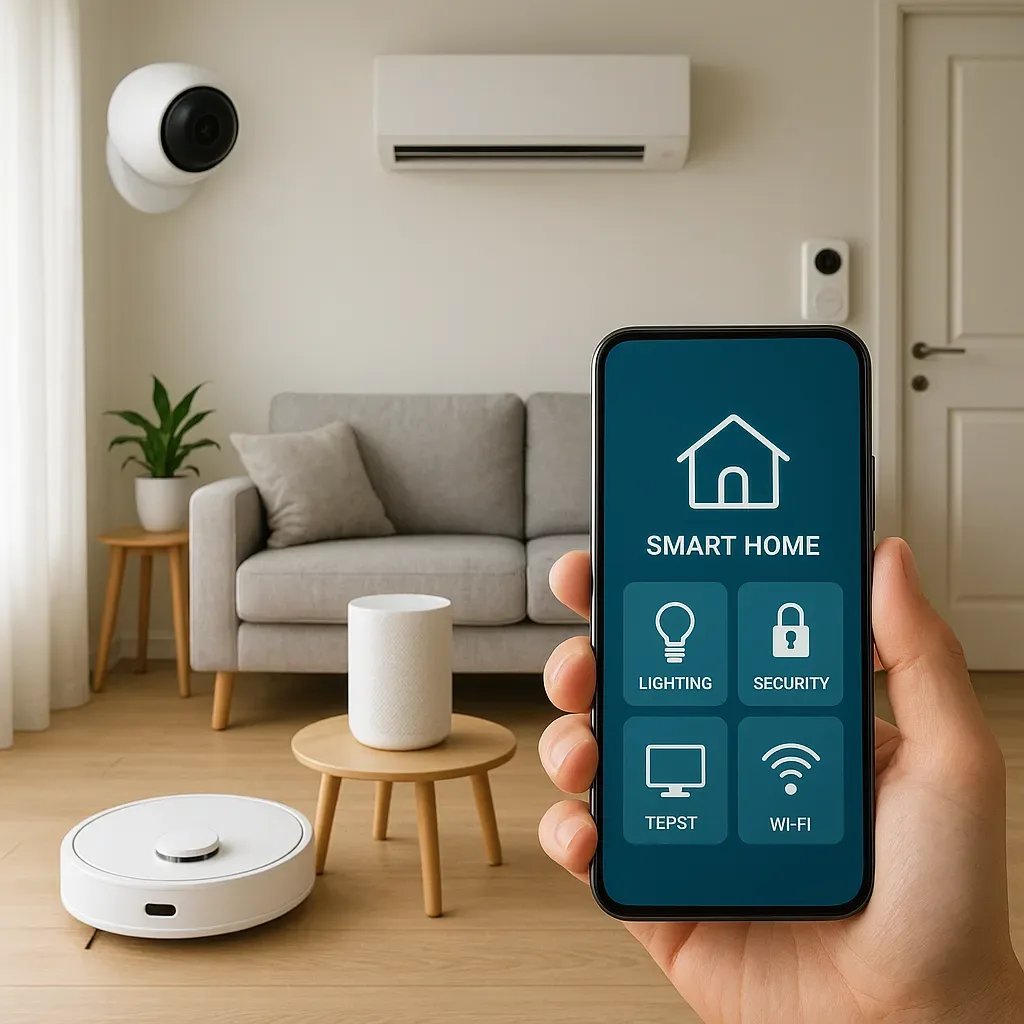
Why Energy Management Belongs in Smart Home
Thailand’s average electricity rate is 4-5 THB/unit. A home running 4-6 air conditioners may pay 5,000-12,000 THB/month. Smart energy management delivers real, measurable reductions — not just theory.
Understanding MEA/PEA Time-of-Use (TOU) Pricing
MEA and PEA offer TOU rate structures that vary by time of day:
Peak Hours (~4.8-5.2 THB/unit):
- Monday-Friday 09:00-22:00
Off-Peak Hours (~2.2-2.6 THB/unit):
- Monday-Friday 22:00-09:00
- Weekends and public holidays all day
Strategy: shift heavy electricity use to off-peak periods and save 45-55% per unit consumed.
Smart TOU Automation in Home Assistant
Sample TOU optimization automations:
- Washing machine: auto-start at 1 AM (off-peak) via Smart Plug
- Clothes dryer: scheduled at 2 AM nightly
- EV charger: charge vehicle from 11 PM to 6 AM
- Solar water heater booster: charge thermal buffer during off-peak
- Pre-cooling: start AC 30 minutes before Peak begins to reduce peak demand
HA uses a Time Template Sensor to detect Peak vs Off-Peak status, applied as a Condition in every relevant Automation.
Solar Panel + Home Battery: The Complete System
Recommended Solar PV for Thai homes:
- On-grid 5-8 kWp system: produces 18-30 kWh/day
- Cost 150,000-250,000 THB (installed)
- Payback 6-8 years for homes using 600-1,000 units/month
Recommended LFP Battery:
- Tesla Powerwall 2 (13.5 kWh): ~350,000 THB
- BYD Battery Box Premium HVS (10 kWh): ~220,000 THB
- Deye/Growatt Hybrid Inverter + DIY LFP: ~80,000-120,000 THB
Why LFP outperforms NMC in Thailand:
- Higher heat tolerance (suited for 35-40°C ambient)
- 3,000-6,000 cycle lifespan vs NMC 1,000-2,000
- Lower thermal runaway risk — safer in fire scenarios
Home Energy Management System (HEMS)
HA functions as a powerful HEMS:
- Energy Dashboard: real-time consumption by circuit
- Solar Production Monitor: compare actual vs forecast generation
- Battery SoC Tracking: manage charge/discharge against TOU schedule
- Carbon Footprint: calculate daily/monthly CO2 reduction
Smart Battery Dispatch Strategy:
- Daytime: solar charges battery to full
- Evening peak (5-10 PM): discharge battery to power home first
- Overnight off-peak: charge battery from grid at low rate if solar was insufficient
Real ROI Numbers
Sample home: original bill 8,500 THB/month, installs Solar 6 kWp + LFP 10 kWh + Smart EMS:
- Bill reduced to 2,800-3,500 THB/month (58-67% reduction)
- Savings of 5,000-5,700 THB/month or 60,000-68,000 THB/year
- Investment: 350,000 THB
- Payback: 5.1-5.8 years
- System life 20-25 years → net profit 800,000-1,000,000 THB
Summary: Energy Management Delivers the Best Smart Home ROI
Among all smart home features, energy management delivers the most clearly measurable ROI — real cost reduction and increased property value in the real estate market.