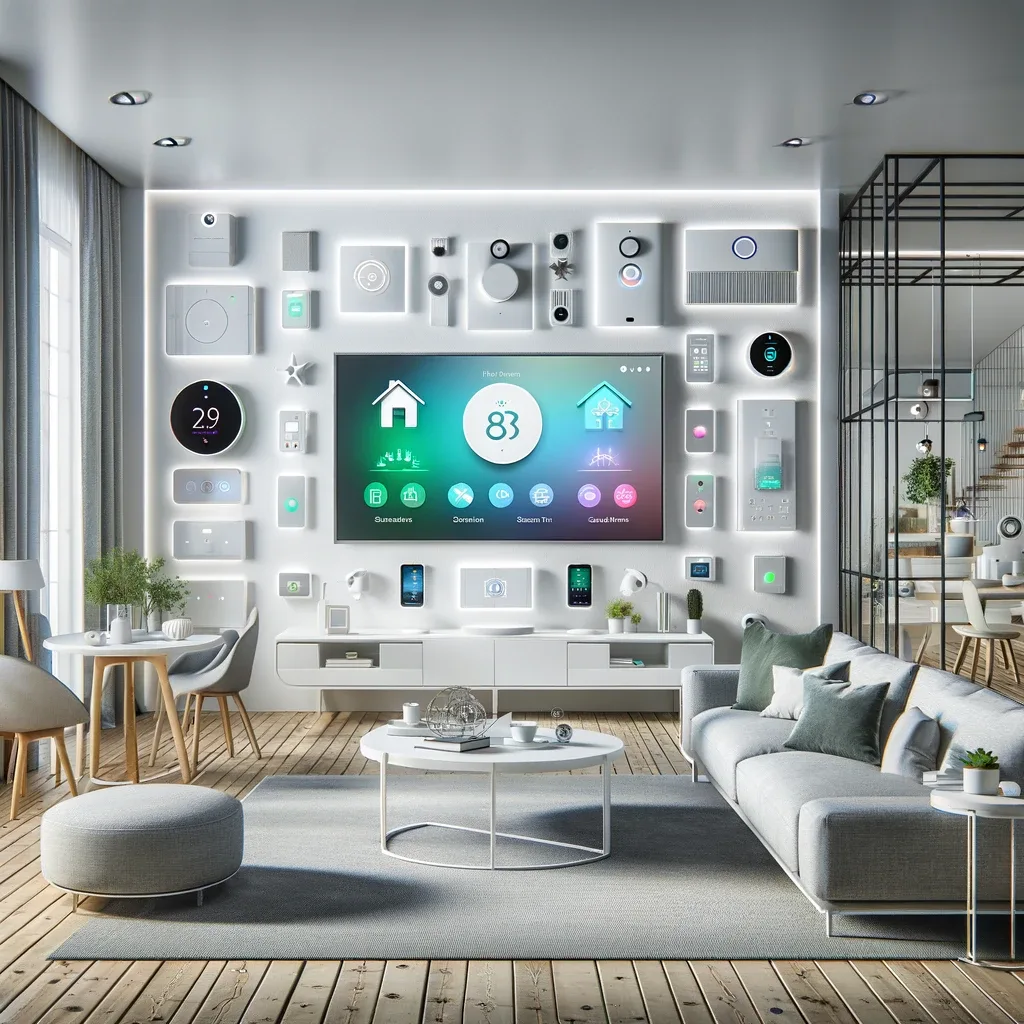
Why Platform Choice Matters Long-Term
Choosing a Smart Home platform is a long-term decision. Devices purchased, automations built and skills developed all tie to the chosen platform. The three main options today are Home Assistant, Homebridge and Scrypt.
Home Assistant: Maximum Flexibility, Largest Community
Strengths: Home Assistant is the world's largest open-source Smart Home platform with 800,000+ users, 3,200+ integrations and 4,000+ HACS add-ons. It supports Zigbee, Z-Wave, Wi-Fi, Matter, Bluetooth and many other protocols.
Weaknesses: Relatively steep learning curve, especially for advanced configuration requiring YAML. Beginners may need 2-4 weeks to become comfortable.
Best for: Those wanting maximum control, multi-brand devices, or complex automation development.
Homebridge: Easiest Path to Apple HomeKit
Strengths: Homebridge bridges non-HomeKit devices to work with Siri and the Apple Home app. Easy installation with a large, active plugin ecosystem.
Weaknesses: Not designed as a standalone Smart Home hub — it is an add-on for the Apple ecosystem. Less flexibility than Home Assistant and dependent on Apple infrastructure.
Best for: All-Apple households wanting Siri control and Apple Home widgets who have devices lacking native HomeKit support.
Scrypt: Security-First Platform
Strengths: Scrypt focuses on security and privacy, designed for strict local-first operation with no cloud data transmission and encrypted communication at every layer.
Weaknesses: Much smaller community, limited integrations compared to Home Assistant, and less comprehensive documentation.
Best for: Users with high privacy concerns or security-critical use cases such as executive residences or those handling sensitive data professionally.
Decision Matrix: 5 Key Dimensions
Comparing across five dimensions: Flexibility (HA: 5/5, Homebridge: 3/5, Scrypt: 3/5), Community size (HA: 5/5, Homebridge: 4/5, Scrypt: 2/5), Setup ease (HA: 3/5, Homebridge: 4/5, Scrypt: 4/5), Security (HA: 4/5, Homebridge: 3/5, Scrypt: 5/5), Integration count (HA: 5/5, Homebridge: 4/5, Scrypt: 2/5).
HappySmart Recommendation
For most Thai customers, HappySmart recommends Home Assistant as the default choice due to its broadest device compatibility, largest community and continuous development. Apple users seeking simplicity may consider adding Homebridge on top of HA rather than using it as a standalone replacement.