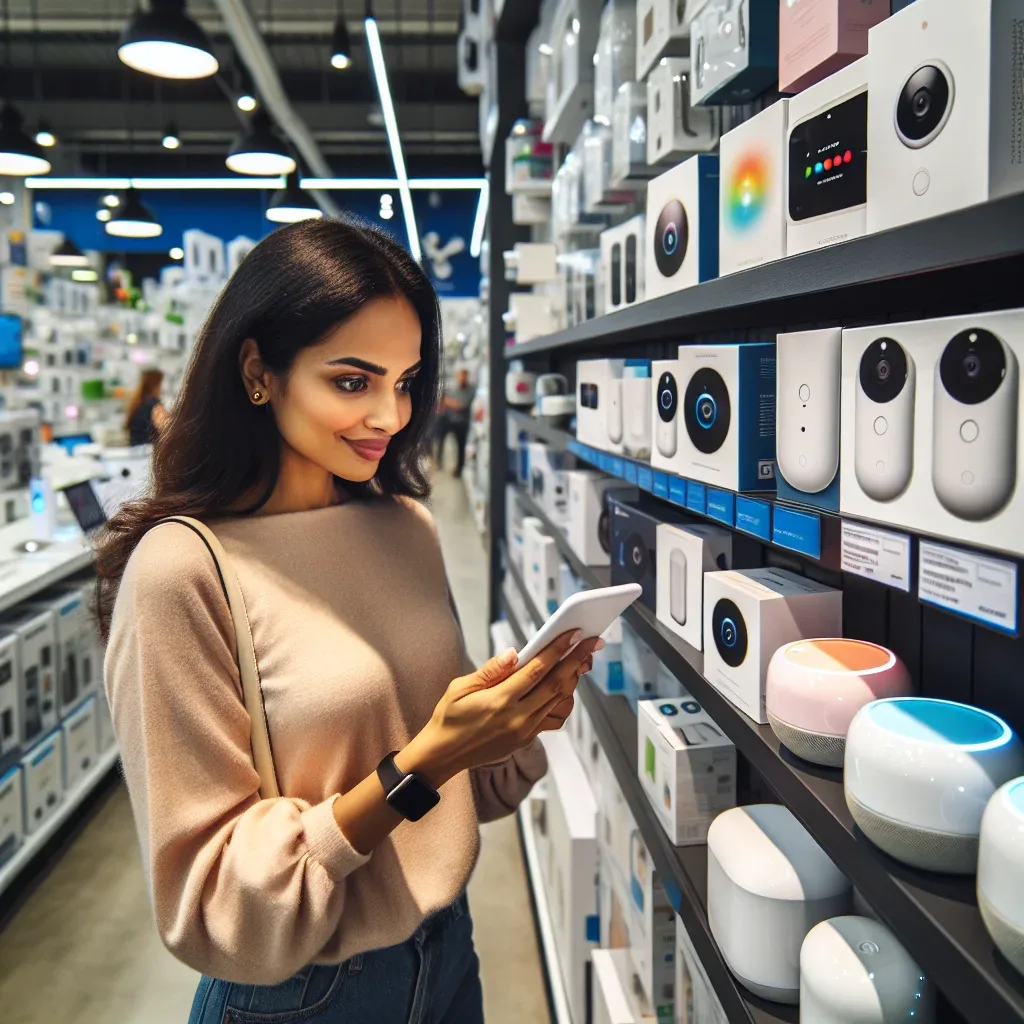
Start With the Problem, Not the Device
The most common mistake when starting a smart home is buying interesting devices without a plan. The result is a home with multiple apps, multiple hubs, and devices that cannot communicate.
The right starting point is asking: what problem am I actually solving? Lower electricity bills, better security, simpler control, or all three? The answer determines which devices to start with.
Platform Compatibility Comes First
In 2026 three platforms dominate the Thai market: HomeKit from Apple, Mi Home from Xiaomi, and Tuya Smart. Each has a different device catalog and different strengths.
HomeKit suits households that primarily use iPhone and Mac. It offers strong security and a clean user experience but higher device prices and a narrower selection. Mi Home suits buyers who want cost-effective devices within the Xiaomi ecosystem. Tuya has the widest device selection and the greatest flexibility, though quality varies across the many sub-brands that use its platform.
For cross-platform use, Matter 1.4 is the answer. Matter-certified devices work across ecosystems without bridges.
Device Types and the Recommended Installation Order
For homes just starting out, HappySmart recommends this sequence:
First install smart switches in place of existing ones. They require no new wiring and deliver immediate convenience and energy benefits. Tuya-compatible models start at ฿499 each. Second, add occupancy sensors for automatic lighting. Third, add security cameras and sensors. Finally, integrate air conditioning, curtains, and energy monitoring.
Budget and Value
A three-bedroom Bangkok home can establish a basic smart home system for ฿15,000 to ฿30,000, covering smart switches, sensors, and two or three cameras. A comprehensive system including air conditioning, curtains, smart locks, and energy management runs ฿80,000 to ฿200,000 depending on home size and brand selection.
HappySmart offers packages starting at ฿1,599 for an initial device and scales with budget over time.